If you are trying to decide between a Seattle condo and a house, you are not alone. In a market where price, lifestyle, and long-term flexibility all matter, that choice can shape your day-to-day life as much as your budget. The good news is that Seattle gives you real options, and understanding a few local details can make the decision much clearer. Let’s dive in.
Seattle Price Gap Matters
One of the biggest reasons buyers compare condos and houses in Seattle is cost. Seattle remains an expensive market overall, with Redfin reporting a median sale price of $865,000 in March 2026, while its Seattle condo page showed a median list price of $499,000 for condos. Those figures come from different datasets and dates, so they are best used as general context, but they still show a meaningful gap in entry point.
That gap can change what is possible for you. A condo may let you buy sooner, stay in a more central location, or keep more room in your budget for savings and monthly expenses. A house may cost more upfront, but it can offer a different ownership experience that better fits your space and privacy goals.
Seattle also tends to support an urban lifestyle. Redfin gives the city a Walk Score of 74, which helps explain why many buyers seriously consider condos in close-in neighborhoods and high-rise buildings. If daily convenience matters to you, that can be part of the value equation.
Ownership Type Is Not Always Obvious
In Seattle, the exterior of a property does not always tell you how ownership works. Washington treats condos, co-ops, and HOAs as common interest communities governed by state law and private governing documents. That means a townhouse or even a detached home may still come with an HOA.
This is one of the most important local details to understand before you compare a condo to a house. A townhouse is not automatically fee-simple, and a house is not automatically free of association rules. In Washington, townhomes can be organized as condominiums or as HOA properties, so you need to confirm the legal structure before you assume how maintenance, insurance, or rules will work.
For condos, each unit and its share of the common elements are treated as a separate parcel of real estate and are separately taxed and assessed under Washington law. That may sound technical, but it reinforces that condo ownership is still real property ownership, just with a shared structure around common areas and community obligations.
Condo Living: Shared Responsibilities
The clearest practical difference between a condo and a house is how maintenance is divided. Under Washington law, the association is generally responsible for maintaining, repairing, and replacing the common elements. The unit owner is generally responsible for maintaining, repairing, and replacing the unit itself.
That split can be a real advantage if you want less hands-on exterior upkeep. In many condo communities, shared systems and common areas are handled through the association, which can simplify ownership. In a house, especially one without an HOA, more of those responsibilities usually land directly on you.
Of course, shared responsibility does not mean free responsibility. It means the cost is often built into dues and association planning. That is why the monthly payment on a condo should never be judged by mortgage alone.
House Living: More Control, More Upkeep
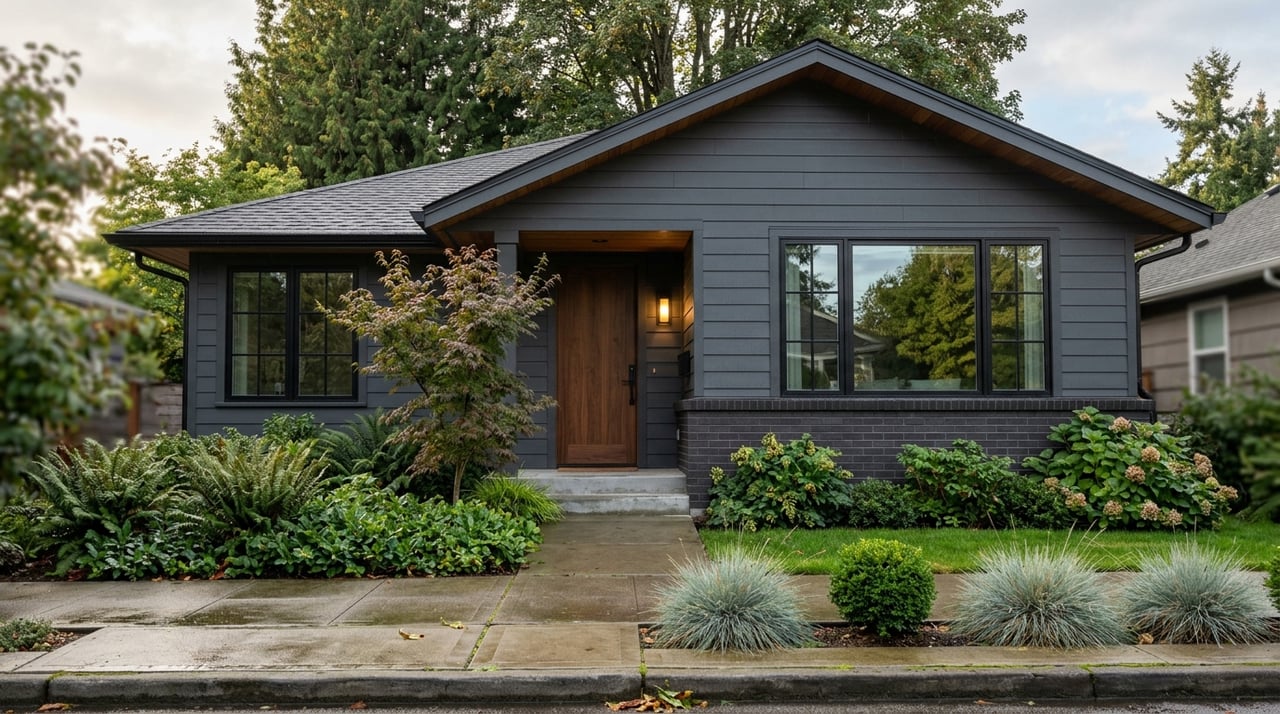
A house often gives you more day-to-day privacy and more control over how you use your property. If you want more separation from neighbors, more storage, a yard, or fewer building-wide rules, a house may feel like a better fit. Many buyers value that autonomy enough to accept a higher price point and more upkeep.
At the same time, a house can come with more moving parts. Exterior repairs, landscaping, roof maintenance, and other major items may be yours to manage directly. And if the home sits in an HOA community, you may still have rules around parking, pets, architecture, rentals, or common areas.
That is why the real comparison is not always condo versus no rules. In Seattle, it is often condo versus house with different kinds of responsibility and different levels of oversight.
HOA Dues Deserve A Closer Look
Condo dues can feel like a drawback until you understand what they cover. According to Washington’s Office of Regulatory Innovation and Assistance, mandatory assessments can range from about $20 per year to more than $2,000 per month depending on the community. Those fees commonly support shared-area maintenance and administrative costs like management, insurance, software, and vendor services.
That wide range is exactly why you should ask better questions instead of focusing only on the number. A higher monthly due may reflect extensive amenities, a large building, more staffing, or major shared systems. A lower due may sound appealing, but it can also raise questions about whether the association is funding future repairs responsibly.
If you are comparing a condo to a house, treat dues as part of the ownership model rather than a random extra bill. The right question is whether the total cost and level of service fit your priorities.
Reserves And Special Assessments Matter
One of the smartest things you can do when buying a condo in Seattle is review the association’s financial health. Washington law generally requires associations to prepare a reserve study, update it annually, and obtain a more detailed professional update at least every third year unless an exemption applies. Budgets also must disclose reserve funding, whether the budget follows the reserve study, and any per-unit reserve deficiency or surplus.
This matters because underfunded reserves can increase the risk of future special assessments. Washington’s resale certificate rules require important disclosures, including dues, delinquent assessments, special assessments already levied, reserve-study status, annual financials, the current budget, insurance information, legal actions, code violations, rental restrictions, and governing documents. If there is no current reserve study, the statute requires a warning that insufficient reserves can lead to special assessments for major maintenance or replacement.
For buyers, that makes the resale certificate one of the most important documents in the condo process. It can help you understand whether a lower purchase price may come with future costs that are not obvious at first glance.
Insurance Works Differently In Condos
Insurance is another area where condos and houses differ in ways that surprise buyers. The Washington Office of the Insurance Commissioner explains that condo or townhome insurance often works alongside a community master policy. The owner’s policy is often an HO-6 policy, while the master policy may be structured as all-in, all-in excluding improvements or betterments, or bare-walls coverage.
That means you need to know exactly where the association’s coverage ends and your own policy begins. The answer depends on the governing documents and the building’s insurance structure. State law also requires the association to carry property and liability insurance on common elements, while allowing unit owners to carry their own insurance for their own benefit.
A related point many buyers overlook is loss-assessment coverage. The state insurance guidance notes that this coverage can help pay for special assessments tied to covered community losses. If you are considering a condo, that is an important conversation to have early.
Rules, Privacy, And Flexibility
A condo can offer convenience, location, and lower entry cost, but it can also come with more rules than some buyers expect. Washington’s resale certificate notice warns that governing documents may impose assessments, fines, fees, late charges, collection costs, approval requirements for changes, and restrictions on use. ORIA also notes that common rules can cover architectural standards, parking, noise, pets, rental limits, short-term rental limits, and common-area use.
For some buyers, that structure is perfectly acceptable or even helpful. For others, it feels restrictive. The right answer depends on how you live now and how you may want to live later.
This same caution applies to houses in HOA communities. If future plans might include remodeling, renting, or simply wanting more freedom with parking or pets, read the CC&Rs carefully before you commit.
Questions To Ask Before You Decide
If you are choosing between a Seattle condo and a house, these questions can bring the decision into focus:
- Is the property a true condo, a fee-simple townhouse, or a house in an HOA?
- What do the monthly or annual assessments actually cover?
- How strong are the reserves, and is there a current reserve study?
- Have any special assessments already been levied?
- What does the master insurance policy cover, and what will your own policy need to cover?
- Are there rules about rentals, short-term rentals, pets, parking, noise, or remodeling?
- Is the community governed under a legacy statute or under the Washington Uniform Common Interest Ownership Act?
These questions are not just paperwork details. They help you compare the real cost, flexibility, and ownership experience of each option.
How To Choose The Better Fit
A condo may make sense if you want a lower entry price, more urban convenience, and less direct responsibility for shared exterior maintenance. It can also be a practical option if staying closer to Seattle’s core matters to your lifestyle or routine. Given the local pricing gap, that path may open doors that a house does not.
A house may make more sense if you want more privacy, more control over the property, or more room to grow into the space over time. It may also better suit you if you are comfortable handling more maintenance or if association rules feel limiting. The key is to compare not just sticker price, but also monthly costs, governance, insurance, and long-term flexibility.
In Seattle, there is no one-size-fits-all answer. The best choice is the one that fits how you want to live, what you want to spend, and how much complexity you are comfortable managing.
If you want help weighing the trade-offs between a condo, townhouse, or house in Seattle, working with a local advisor can make the process much simpler. The Greely Group offers clear, low-pressure guidance to help you compare options, understand the fine print, and move forward with confidence.
FAQs
What is the main price difference between a Seattle condo and a house?
- Seattle condos generally have a lower entry price than the broader Seattle market. Redfin’s March 2026 data showed a median list price of $499,000 for Seattle condos, while the citywide median sale price was $865,000.
What should Seattle condo buyers review before making an offer?
- You should review the resale certificate, budget, reserve-study status, dues, any special assessments already levied, insurance information, legal actions, code violations, rental restrictions, and the governing documents.
What do Seattle condo HOA dues usually cover?
- In Washington common interest communities, assessments commonly fund shared-area maintenance and administrative costs such as management, insurance, software, and vendor services.
Can a Seattle house still have HOA rules?
- Yes. In Washington, single-family homes are often part of HOA communities, and townhomes can be organized either as condominiums or as HOA properties.
How does Seattle condo insurance differ from house insurance?
- Condo insurance often works together with a community master policy. Your own policy, often an HO-6 policy, may cover different items depending on whether the master policy is all-in, all-in excluding improvements or betterments, or bare-walls.
What condo rules commonly affect Seattle buyers?
- Condo governing documents may include rules on rentals, short-term rentals, pets, parking, noise, unit changes, signs, and use of common areas.