If you want a Seattle neighborhood that feels scenic, connected, and genuinely livable day to day, Queen Anne usually lands near the top of the list. You might be drawn to the views, the classic homes, or the quick access to downtown, but daily life here is really about how those pieces come together in a practical way. In this guide, you’ll get a clear look at what it’s like to live in Queen Anne, from errands and commutes to parks, housing character, and the feel of different areas. Let’s dive in.
Queen Anne's Daily Rhythm
Queen Anne stands out because it offers two different everyday experiences within one neighborhood. Lower Queen Anne, often grouped with Uptown and Seattle Center, feels more active and urban, with restaurants, bars, and major cultural destinations close together. Upper Queen Anne feels quieter and more residential, with historic homes, smaller shopping streets, and nearby parks shaping the pace of daily life.
That contrast matters when you picture your routine. If you want to be near entertainment and regional attractions, the base of the hill may feel more convenient. If you prefer a calmer residential setting while staying close to city amenities, the upper hill often fits that goal better.
Queen Anne Ave N Drives Daily Life
For many residents, Queen Anne Avenue N is the neighborhood’s main everyday-services corridor. Seattle’s current parking and curbspace review describes the six-block stretch as a busy business district reached by walking, biking, bus, and car. It also notes that new housing, street cafes, and daytime visits continue to shape the corridor.
In practical terms, that means Queen Anne’s conveniences are not spread evenly across every block. Instead, many daily errands and casual outings tend to cluster around this main street. If walkability is high on your list, your exact location within Queen Anne can make a big difference in how often you walk versus drive.
Getting Around From Queen Anne
One of Queen Anne’s biggest strengths is its access to downtown Seattle. King County Metro identifies Routes 2, 3, 4, and 13 as services connecting Queen Anne to downtown, and those routes are part of Metro’s electric trolley network. Seattle Center also adds another layer of connectivity with multiple bus routes serving the campus and the Seattle Center Monorail running about every 10 minutes between Westlake Center and Seattle Center.
That variety gives you options. You are not depending on a single bus line or one narrow route into downtown. Depending on where you live on the hill and where you are headed, your commute might be handled by bus, monorail, bike, car, or a mix of those.
Why Queen Anne Feels Close In
Queen Anne’s close-in location is one reason it has stayed in demand for so long. Seattle’s historic context statement describes it as a close-in urban district where accessibility and views support high-value real estate. Even if you live higher on the hill, the neighborhood often feels downtown-adjacent because you are still closely tied to central Seattle in everyday life.
That can be especially appealing if you want some separation from the downtown core without giving up convenience. You can enjoy a more residential setting while still staying connected to work, events, and city services. For many buyers, that balance is a major part of Queen Anne’s appeal.
Parks and Views Shape the Experience
Queen Anne is one of those neighborhoods where scenery is part of normal life, not just a weekend bonus. The topography creates frequent outlooks, and several city parks turn those views into everyday destinations. If you like taking a short walk to reset your day, this neighborhood gives you plenty of reasons to head outside.
Some of the best-known and most useful green spaces include:
- Kerry Park, known for sweeping views of Elliott Bay, the central city, and on some days Mount Rainier
- Bhy Kracke Park, a steep hillside park with views toward downtown, Lake Union, the I-5 corridor, and Capitol Hill
- Parsons Gardens, a small garden space on the south slope described by the city as a hidden gem
- Northeast Queen Anne Greenbelt, which offers wooded trails, benches, and east-facing views toward the Cascades and Lake Union
- Queen Anne Bowl Playfield and West Queen Anne Playfield, which add active recreation space with fields, tracks, playgrounds, and community-center-adjacent amenities
These spaces help explain why Queen Anne can feel peaceful even though it sits so close to central Seattle. You are living in an urban neighborhood, but access to parks, trails, and viewpoint spaces creates regular moments of quiet.
Seattle Center Adds a Regional Layer
Seattle Center is not just a nearby attraction. It is one of the neighborhood’s defining lifestyle features. The city describes it as a 74-acre civic, arts, and cultural gathering place with more than 30 partner organizations, including Climate Pledge Arena, KEXP, MOPOP, Pacific Northwest Ballet, Seattle Opera, Pacific Science Center, and SIFF, along with a steady calendar of free and affordable events.
That changes what it means to live nearby. In many Seattle neighborhoods, your local anchor might be a business district or a park. In Queen Anne, you also have immediate access to one of the city’s biggest cultural campuses, which can add energy, convenience, and year-round activity to your routine.
Housing Character Varies by Block
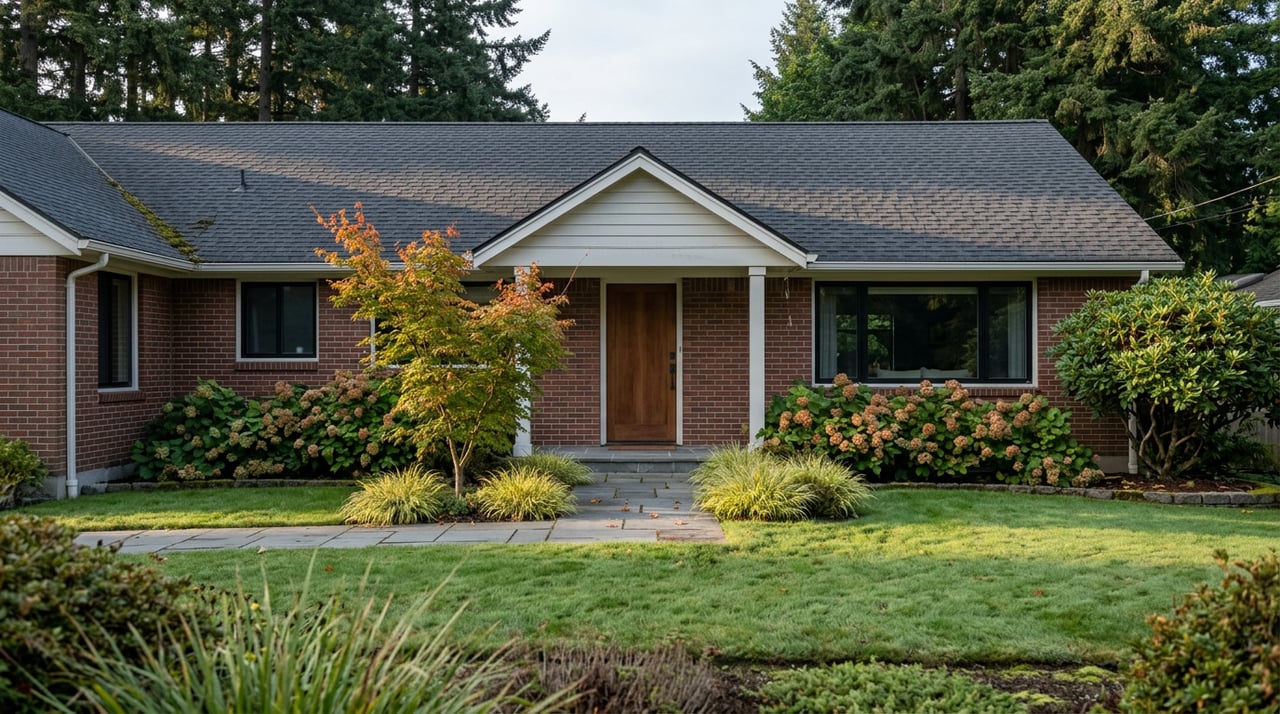
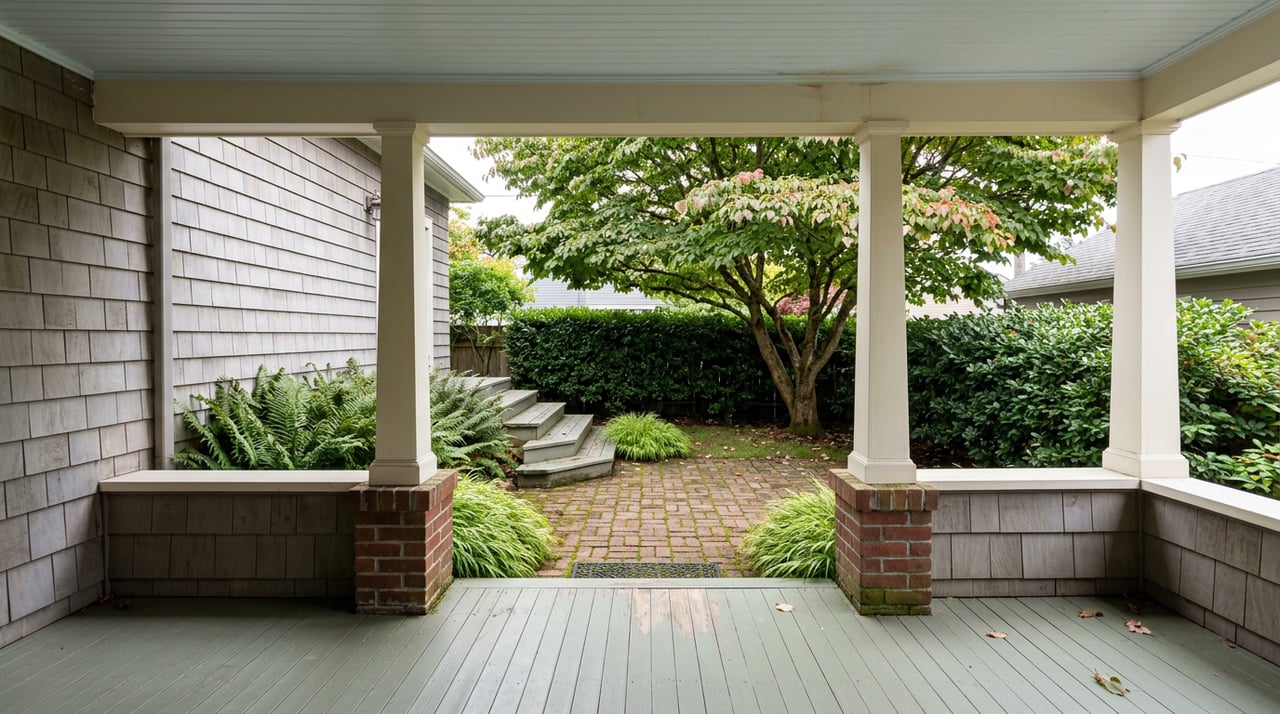
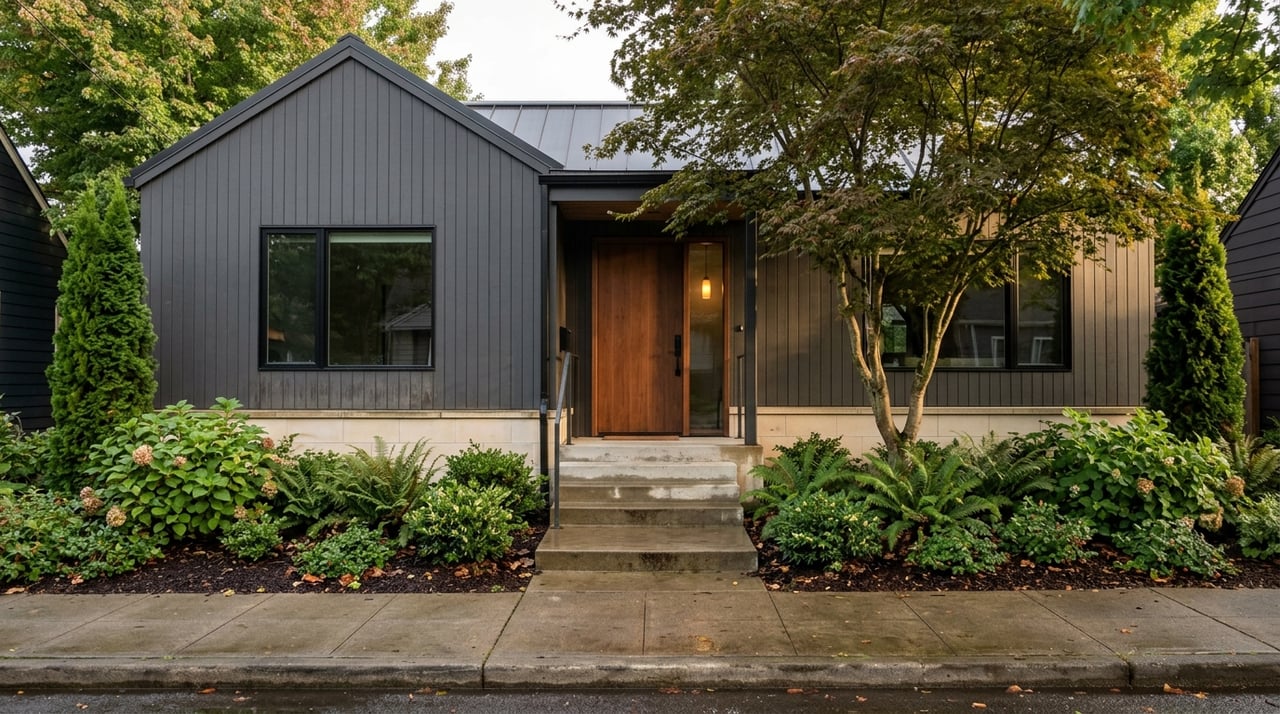
Queen Anne has one of Seattle’s most established residential identities. The neighborhood is among the city’s oldest residential areas, and early streetcar access helped drive rapid development. Over time, that history created a broad mix of housing, from older single-family homes to multifamily buildings and mixed-use corridors.
The upper hill remains largely single-family, while arterials tend to include more commercial, low-rise, and midrise uses. As a result, one block can feel very different from the next. You may find quieter residential streets up top, denser activity along key corridors, and a wide mix of architectural eras across the neighborhood.
What Buyers Notice About Queen Anne Homes
In Queen Anne, topography is not just visual. It affects how homes are experienced and how they are valued. King County’s 2024 area report shows that public valuation work here depends on factors like grade, age, condition, stories, living area, views, lot size, and neighborhood context.
For buyers, that means two homes with similar square footage can feel very different in function and market position. A view, a steeper site, or a location closer to the main corridor can shape value in a meaningful way. This is one reason Queen Anne tends to reward careful, block-by-block analysis rather than broad assumptions.
Renting and Owning in Queen Anne
Seattle’s 2023 neighborhood snapshot suggests a renter-heavy profile in the broader Queen Anne reporting area, with 63.5% renter households. The same snapshot reports a median household income of $113,753 and says 74.4% of adults hold a bachelor’s degree or higher. Because these numbers reflect the city’s Community Reporting Area rather than a hand-drawn neighborhood boundary, they are best used as directional context.
Still, the data helps frame the area. Queen Anne includes a substantial renter population alongside long-standing residential stability and high housing demand. If you are deciding whether to rent first or buy right away, that mix can make the neighborhood appealing for both paths.
Who Queen Anne Often Fits Best
Queen Anne tends to work well for people who want a close-in Seattle lifestyle without the feel of living in the center of downtown. It can appeal to condo buyers, single-family buyers, relocators, and move-up buyers who want access to amenities while keeping a neighborhood feel. It may also suit buyers who value views, older housing character, and a strong sense of place.
The right fit often comes down to your routine. If you want to walk to daily services, be selective about your location near the main commercial areas. If you want more residential quiet, the upper hill may be a better match, even if it means a different walk or drive pattern.
What to Weigh Before You Move
Queen Anne offers a lot, but it helps to be realistic about the trade-offs. The same hills that create dramatic views can also shape how you move through the neighborhood. And while the area feels walkable in key stretches, convenience can vary depending on exactly where you live.
As you evaluate the neighborhood, it helps to think through:
- How often you plan to commute downtown
- Whether you want a more urban or more residential feel
- How important walkable errands are to your routine
- Whether views or housing character are major priorities
- How much block-to-block variation you are comfortable with
That kind of clarity can help you narrow your search faster and avoid choosing a home based only on the broad reputation of Queen Anne.
The Bottom Line on Living in Queen Anne
Queen Anne combines scenic living with real daily utility, and that is what makes it stand out. You have a central location, a defined commercial corridor, notable parks and viewpoints, access to Seattle Center, and several ways to reach downtown. At the same time, the neighborhood still offers quieter residential pockets and one of Seattle’s most established housing identities.
If you are considering a move here, the smartest next step is to look beyond the neighborhood name and focus on the specific part of Queen Anne that matches your lifestyle. If you want thoughtful guidance on buying or selling in Seattle, The Greely Group can help you evaluate the trade-offs, understand the market, and make a confident move.
FAQs
What is daily life like in Queen Anne Seattle?
- Daily life in Queen Anne depends on where you are. Lower Queen Anne and Uptown feel more active and urban, while Upper Queen Anne is generally quieter and more residential.
How walkable is Queen Anne for everyday errands?
- Queen Anne can be very convenient for daily errands, especially near Queen Anne Avenue N, which functions as the neighborhood’s main business corridor.
How do you commute from Queen Anne to downtown Seattle?
- You can reach downtown from Queen Anne by several King County Metro routes, by car, by bike, and in some cases by using the Seattle Center Monorail near the base of the hill.
What parks and outdoor spaces are in Queen Anne?
- Queen Anne includes well-known parks and viewpoints such as Kerry Park, Bhy Kracke Park, Parsons Gardens, the Northeast Queen Anne Greenbelt, Queen Anne Bowl Playfield, and West Queen Anne Playfield.
What types of homes are common in Queen Anne Seattle?
- Queen Anne includes a mix of housing types, with more single-family homes on the upper hill and more low-rise, midrise, commercial, and mixed-use development along major corridors.
Is Queen Anne a good fit for buyers who want city access?
- Queen Anne can be a strong fit if you want to stay close to downtown Seattle while still having access to quieter residential streets, parks, and neighborhood-scale amenities.