Google searches for "can't sell my house" just hit an all-time high — higher than 2008, higher than COVID. Let that sink in.
If your home has been sitting on the market for weeks (or months) with crickets, you're not imagining things. This is happening across the country, and Seattle is no exception. But here's the thing: homes *are* still selling. The difference between the ones that move and the ones that don't comes down to strategy — not luck.
I'm Phil Greely with the Greely Group at The Agency RE in Seattle. Let me walk you through what's actually going on and what you can do about it.
Why Is My House Not Selling? The Macro Picture
The national numbers are rough. The National Association of Realtors reported that January 2026 home sales dropped over 8% year-over-year, with some analysts calling it a "new housing crisis." Redfin data shows pending sales declining and homes routinely taking two months or longer to find a buyer. Forbes has noted the slowdown is highly regional and deeply tied to mortgage rates.
Three forces are colliding right now:
1. The Rate Lock-In Effect Is Finally Breaking
For years, homeowners sitting on 2.8–3.5% mortgage rates refused to sell — why trade that for a 7% rate? According to Veros Analytics, this "lock-in effect" constrained inventory for years. Now it's loosening. More sellers are entering the market, which means more competition for your listing.
2. Mortgage Rates Are Still Elevated
Buyers haven't gotten the rate relief they've been waiting for. With rates hovering in the mid-to-high 6s, purchasing power is compressed. The buyer pool is smaller, and the buyers who are active are picky and price-sensitive.
3. Inventory Is Rising — Fast
After years of historically tight supply, active listings are climbing. More options for buyers means less urgency. The frenzied multiple-offer environment of 2021–2022? That's gone. We're in a different market now.
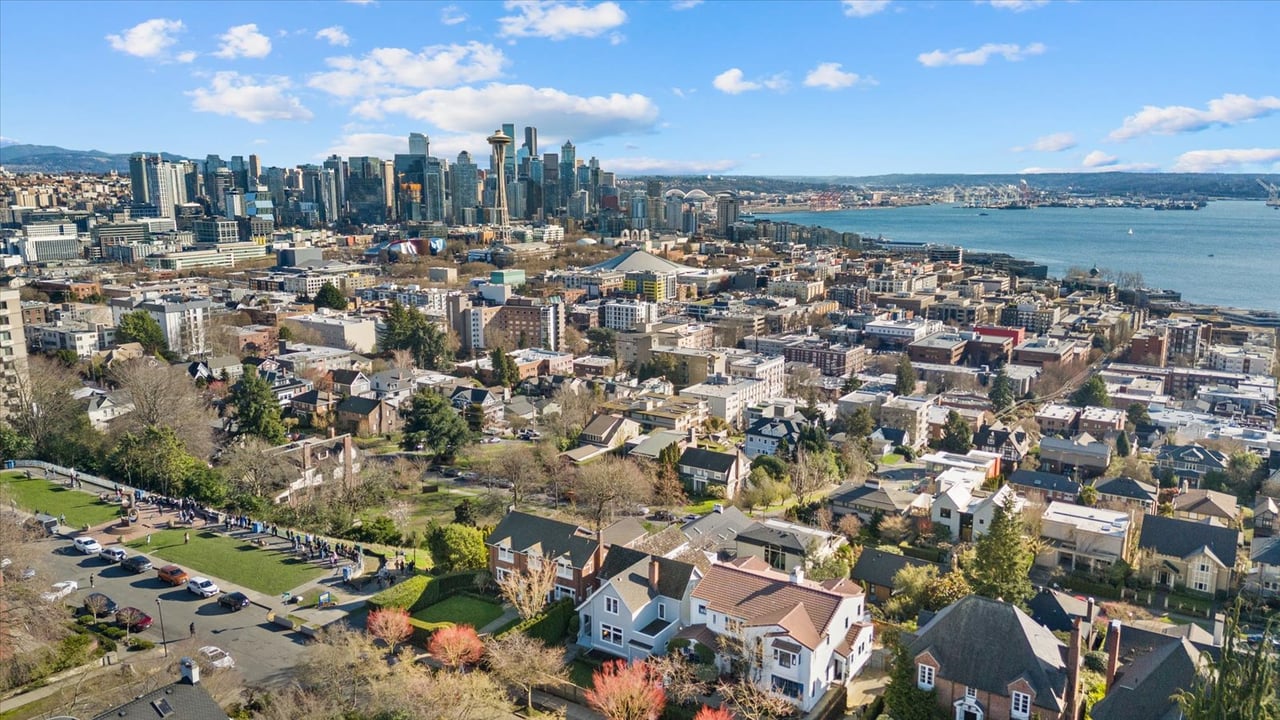
The Seattle Housing Market in 2026: Local Context
Seattle has its own dynamics layered on top of all this.
Neighborhood variation is huge. A well-priced Craftsman in Ballard or Wallingford still draws strong interest. A dated split-level in a less central area? That's where things stall. Capitol Hill condos, Queen Anne townhomes, Green Lake family homes — every micro-market is behaving differently right now.
PNW seasonality matters more than usual. In a normal year, Seattle's market wakes up in March and peaks by May. In a slower market, that seasonal window is *everything*. Listing in January or February — when it's dark and rainy and buyers are hibernating — is a harder sell (literally). Timing your listing for the spring surge isn't just nice-to-have; it's strategy.
Tech layoffs and remote work shifts continue to affect demand patterns. Some neighborhoods that boomed during COVID's remote-work wave are softening as return-to-office policies reshape where people want to live.
Your House Isn't Selling. Here's What to Do About It.
If your home has been on the market for 30+ days without a serious offer, something needs to change. Here's where I'd start:
Price It Right — Not Right Later
This is the number one reason homes don't sell in 2026. Full stop.
Overpricing by even 5% in this market can make your listing invisible. Buyers are educated. They're running comps on Redfin before they ever call an agent. If your price doesn't match what they're seeing, they scroll past.
The data doesn't lie: homes priced correctly from day one sell significantly faster and often for more money than homes that chase the market down with price reductions. Every price cut signals desperation to buyers. Get it right up front.
Stage for the Market You're In, Not the One You Want
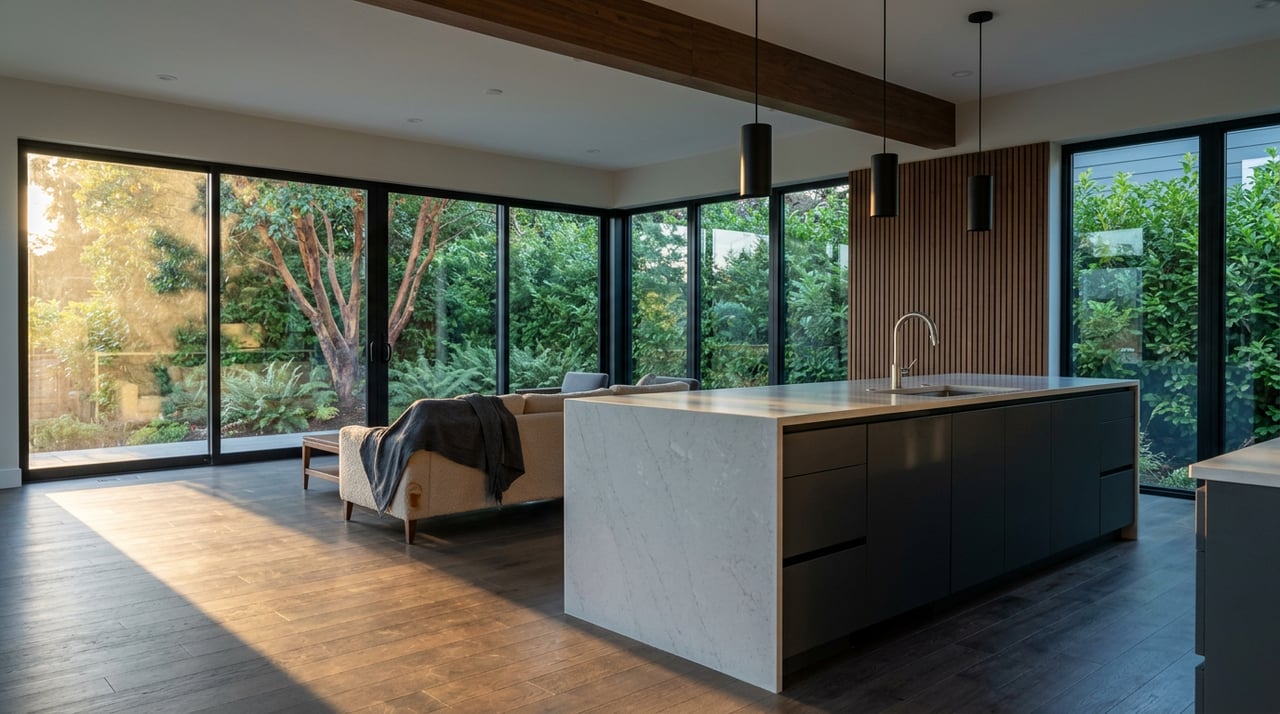
In 2021, you could list a house with builder-grade everything and get 15 offers. That market is dead. Today's buyers want to see a home that feels move-in ready and worth the financial stretch they're making at current rates.
Professional staging isn't optional — it's ROI-positive. In Seattle specifically, warm, modern staging photographs well for our gray-sky listing photos and resonates with the PNW buyer aesthetic. If you're not staging, you're leaving money on the table.
Marketing That Goes Beyond the MLS
Here's where a lot of agents fall short. Throwing your listing on the MLS and Zillow and hoping for the best isn't a marketing strategy. In a competitive inventory environment, your home needs to stand out.
What does real marketing look like?
- Professional photography and video (this should be obvious, but you'd be surprised)
- Targeted digital advertising to qualified buyers — not just boosted Facebook posts
- Broker-to-broker outreach within networks like The Agency's global platform
- Story-driven listing descriptions that connect emotionally, not just list square footage
Your listing is competing with dozens of others. Treat it like a product launch, not a yard sale.
Consider Your Timing Window
If you listed in the dead of winter and it's not working, sometimes the smart move is to pull the listing, make adjustments, and relaunch in spring with fresh energy and fresh days-on-market. There's no shame in a strategic reset.
In Seattle, the sweet spot for listings is typically mid-March through early June. Longer days, better light for photos, and buyers who are motivated to close before summer.
When to Bring in a Different Agent
I'll be direct: if your home isn't selling, your agent should be having hard conversations with you about why — not just sending you a weekly "market update" email and hoping things change.
Ask your agent:
- What specific feedback are we getting from showings?
- How does our price compare to recently sold comps (not active listings)?
- What's our revised marketing plan?
If you're not getting clear, data-backed answers, it might be time for a change.
The Bottom Line on Seattle's 2026 Market
Homes are still selling in Seattle. Every week, transactions close across Ballard, Capitol Hill, Magnolia, Phinney Ridge, and beyond. But the margin for error is razor-thin. Pricing, presentation, marketing, and timing all need to be dialed in.
If your home isn't selling — or you're thinking about listing and want to avoid becoming another "stale listing" statistic — that's exactly the kind of problem we solve at the Greely Group. We're at The Agency RE in Madison Park, and we'd rather have an honest conversation about your home's positioning than tell you what you want to hear.
Reach out anytime. Let's look at the data together.
Frequently Asked Questions
Why can't I sell my house in 2026?
The most common reasons homes aren't selling in 2026 are overpricing relative to current comps, increased inventory giving buyers more options, and elevated mortgage rates (mid-to-high 6%) reducing the active buyer pool. Nationally, home sales dropped over 8% in January 2026 according to NAR data. In Seattle, neighborhood-level conditions vary significantly — pricing accuracy and professional marketing are more critical than ever.
How long does it take to sell a house in Seattle in 2026?
As of early 2026, homes in the Seattle metro area are averaging 45–75 days on market depending on neighborhood, price point, and condition. Well-priced homes in desirable areas like Wallingford, Ballard, and Green Lake can still sell within 2–3 weeks. Overpriced or poorly marketed homes may sit for 90+ days. Redfin data confirms that nationally, homes are routinely taking two months or longer to find a buyer.
What is the best time to sell a house in Seattle?
The optimal listing window in Seattle is mid-March through early June. PNW seasonality plays a major role — longer daylight hours, better weather for showings, and a larger active buyer pool all converge in spring. In a slower market like 2026, timing your listing for this window is even more important than in a hot market.
Should I lower my asking price if my house isn't selling?
If your home has been on the market for 30+ days without a serious offer, a price adjustment is likely necessary. However, the key is making a meaningful reduction based on comparable sold data — not small incremental cuts that signal uncertainty. Homes priced correctly from day one statistically sell faster and closer to asking price than homes that undergo multiple reductions.
Is the Seattle housing market crashing in 2026?
No. Seattle's market is not crashing — it's normalizing. Inventory is rising after years of historically low supply due to the mortgage rate lock-in effect, and sales volume has slowed. But median home prices in core Seattle neighborhoods remain relatively stable. This is a slower, more balanced market, not a freefall. Sellers who adjust their expectations and strategy are still achieving strong results.