By The Greely Group
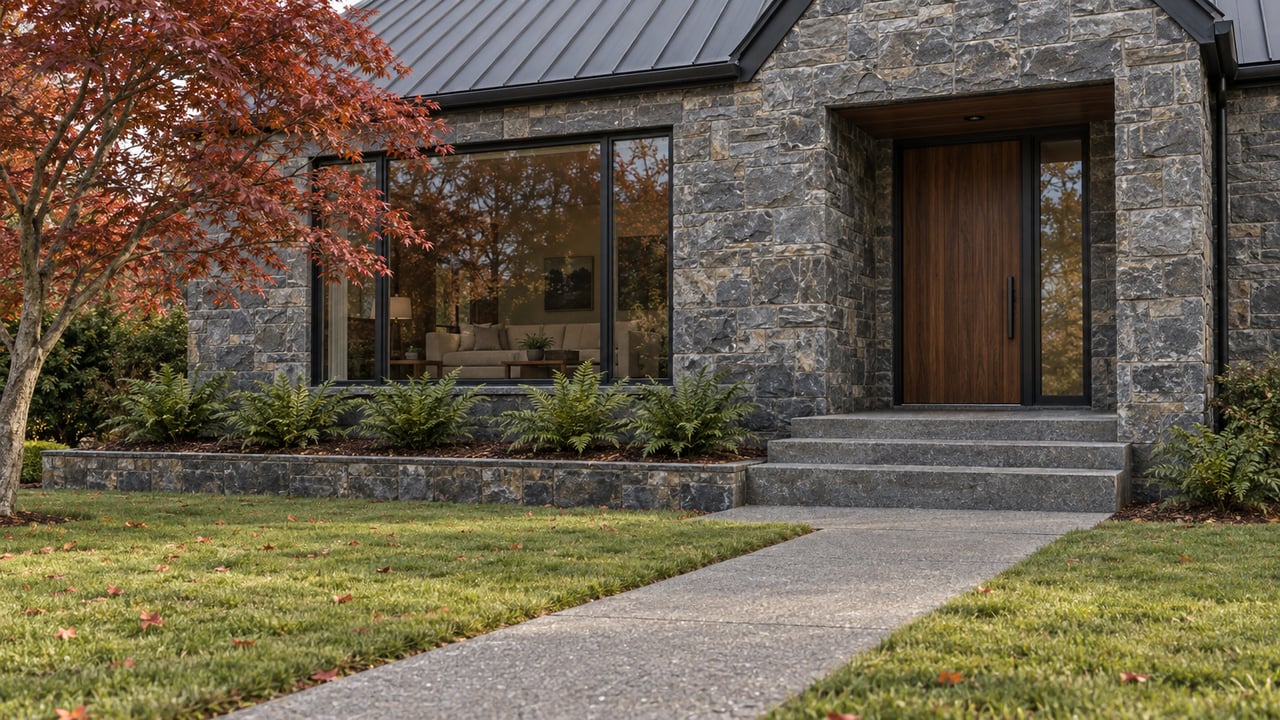
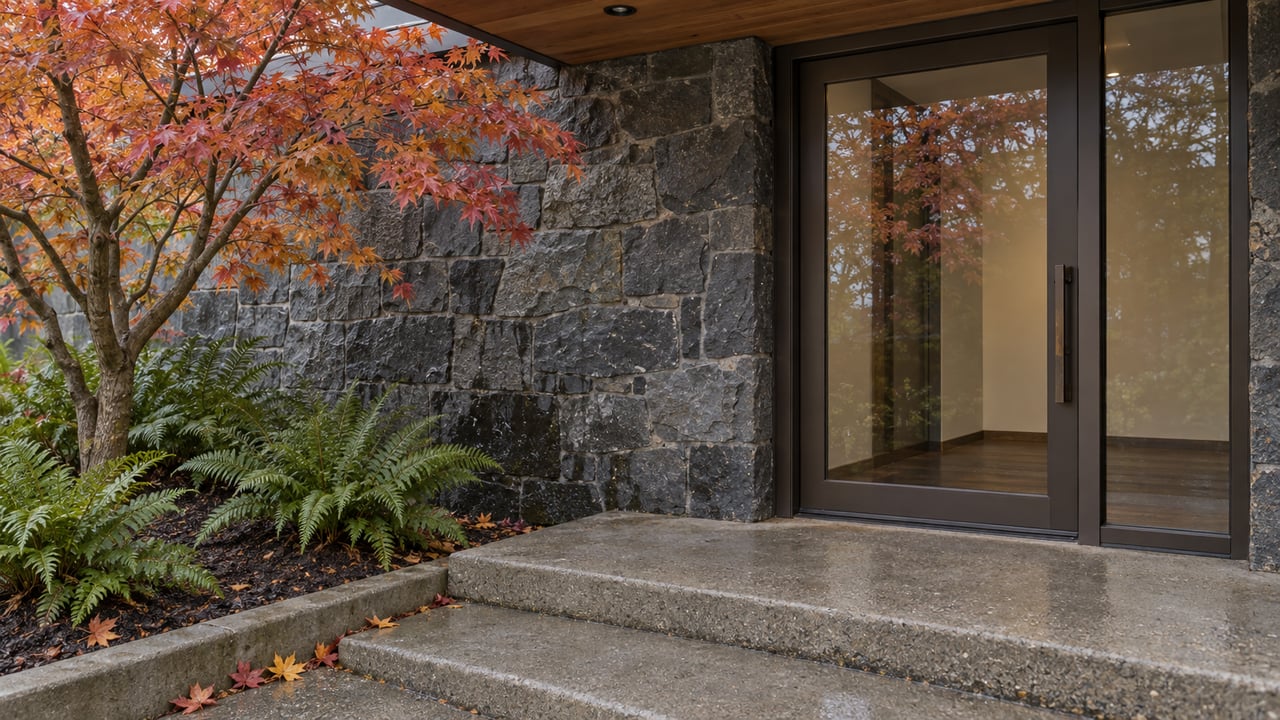
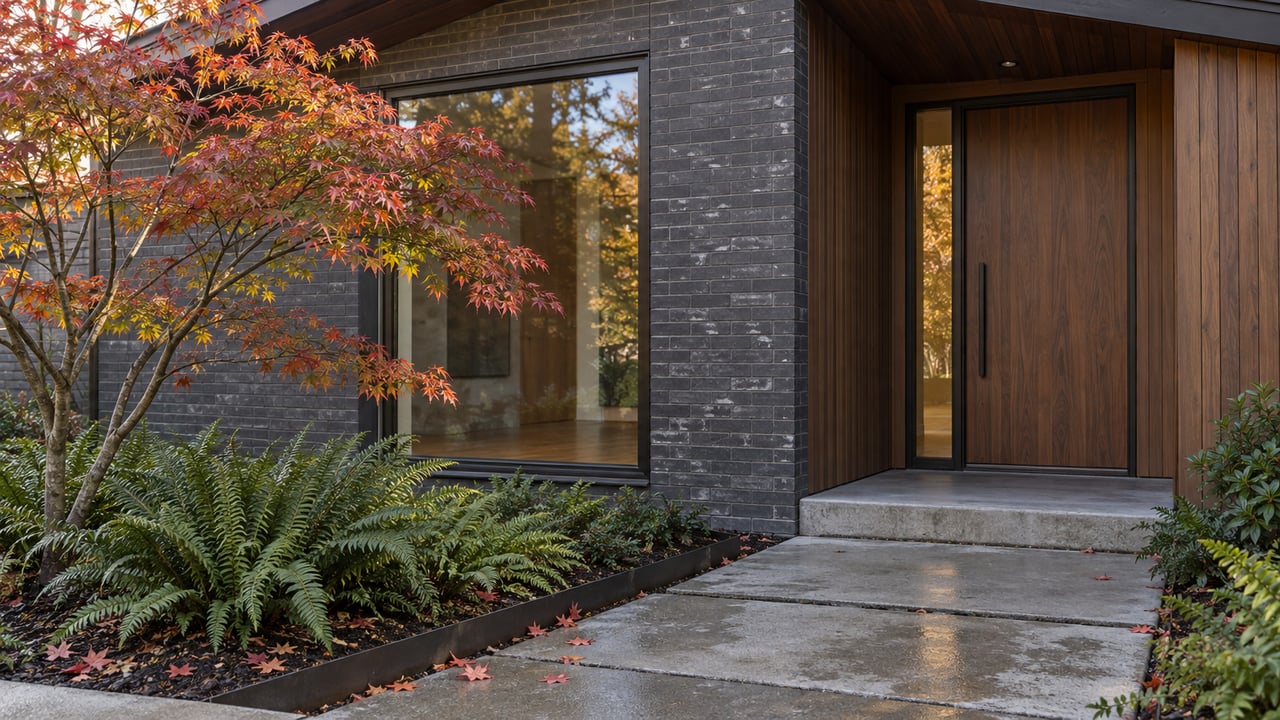
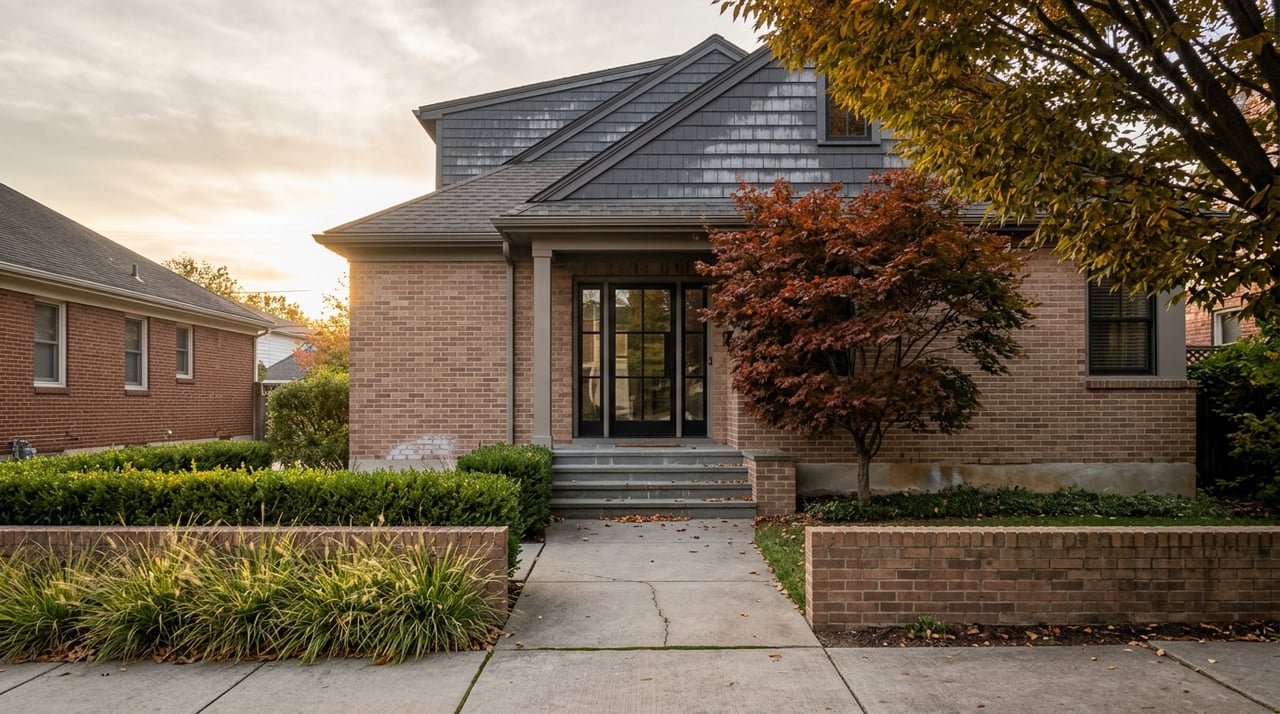
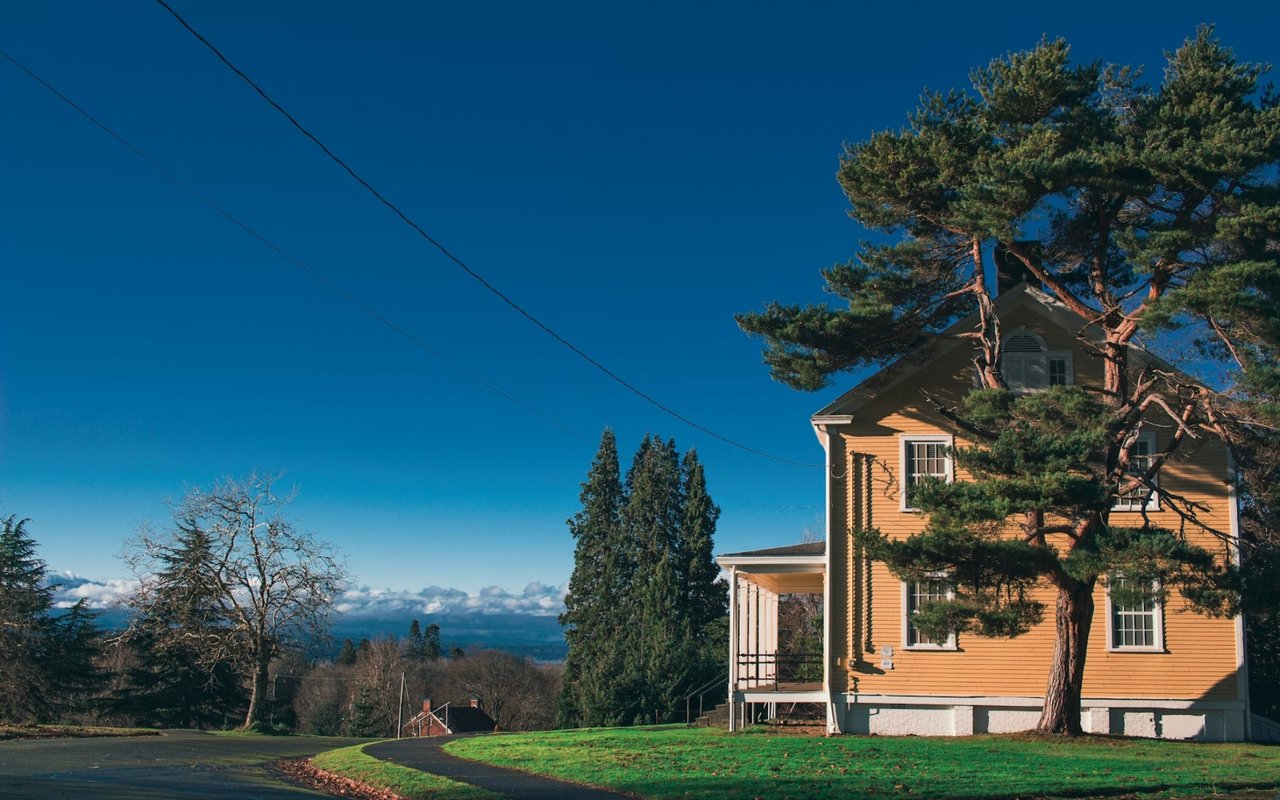
Magnolia’s housing stock ranges from mid-century lines near Discovery Park to newer builds that lean into glass, steel, and clean detailing. We also see classic Seattle-era homes with traditional proportions on quiet residential blocks closer to Magnolia Village, where curb appeal often comes from mature landscaping and thoughtful renovations.
When clients ask us about home design styles, we tie the answer to how they want to use space, maintain finishes, and live with Seattle’s shifting natural light.
Key Takeaways
- Style-to-lifestyle match
- Finish level alignment
- Light and layout cues
- Renovation-ready choices
Mid-Century Modern: Clean Lines and View-Forward Living
Magnolia’s mid-century pockets often reward a design approach that highlights openness, warm woods, and purposeful geometry, especially in homes that sit above Interbay or near Discovery Park’s edges.
Why mid-century works well in Magnolia homes
- Open flow: Use connected living and dining zones to support hosting and everyday movement.
- Natural materials: Make sure walnut, oak, and stone details feel consistent across floors, built-ins, and trim.
- Statement glazing: Use large windows and sliders to frame Puget Sound light and seasonal greenery.
- Low-profile furnishings: Make sure seating and casegoods keep sightlines clean in view-facing rooms.
Modern Contemporary: Minimalism With High-Finish Materials
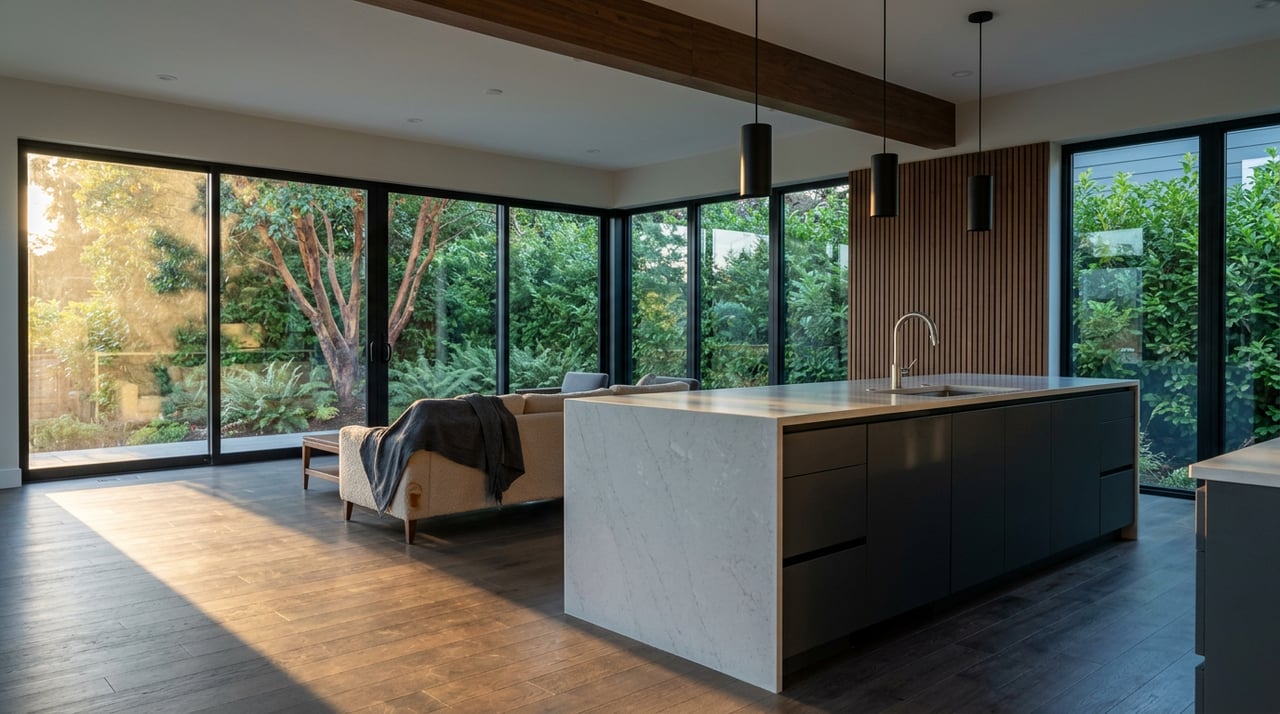
In Magnolia, contemporary design often shows up in newer construction near the bluff, where sightlines, decks, and large openings create a strong indoor-outdoor rhythm.
Why contemporary fits newer Magnolia builds
- Monochrome foundations: Use layered whites, warm grays, and charcoal accents to emphasize architecture.
- Elevated textures: Make sure matte cabinetry, honed stone, and subtle wood grain add depth without visual clutter.
- Integrated lighting: Use recessed and cove lighting to keep walls clean while highlighting art and finishes.
- Indoor-outdoor continuity: Make sure exterior decking and interior flooring tones relate so thresholds feel seamless.
Transitional: A Bridge Between Classic and Current
Transitional design is often a strong fit for Magnolia homes that keep traditional bones while updating kitchens, baths, and lighting with current materials.
Why transitional works for renovated Magnolia homes
- Classic proportions: Use timeless trim and balanced room layouts as the anchor for updated finishes.
- Updated neutrals: Make sure wall colors and upholstery lean warm and natural to suit Seattle light.
- Mixed metals: Use hardware and lighting finishes that coordinate, like brushed nickel with warm brass accents.
- Comfort-first furniture: Make sure seating feels inviting while still structured and tailored.
Traditional and Classic Seattle: Timeless Details With Strong Craft
Magnolia has many homes where traditional detailing, formal entries, and structured rooms create a more classic interior experience.
Why traditional design suits classic Magnolia streets
- Millwork emphasis: Use wainscoting, crown, and built-ins to add depth and architectural clarity.
- Warm palettes: Make sure paint choices feel rich and balanced in rooms with lower winter light.
- Layered textiles: Use rugs, drapery, and upholstery to create comfort in larger formal spaces.
- Statement staircases: Make sure stair rails and newel details align with the home’s original character.
Scandinavian and Northwest Minimal: Calm, Light, and Everyday Function
Scandinavian-inspired interiors can feel especially aligned with Seattle living, where natural light varies, and materials benefit from a clean, honest presentation.
Why Northwest minimal feels natural in Magnolia
- Light wood tones: Use ash, oak, or pale finishes to keep interiors bright through gray months.
- Soft white walls: Make sure whites lean warm so rooms feel comfortable under cloud cover.
- Practical storage: Use built-ins and closed storage to keep surfaces clean in open-plan spaces.
- Simple silhouettes: Make sure furniture lines stay clean so the room feels calm and airy.
FAQs
Which home design styles are most common in Magnolia?
We see a strong mix of mid-century modern, contemporary new construction, and classic Seattle-era homes with traditional bones.
How do we choose a style when the home has mixed features?
We recommend letting the architecture lead, then selecting a complementary interior direction that works with fixed elements like floors, windows, and stone.
Do design styles affect long-term value in Magnolia?
We see the strongest results when design choices feel aligned with the home’s architecture, and the quality of finishes remains consistent across rooms.
Contact The Greely Group Today
When you work with The Greely Group, you get Magnolia-specific guidance on how design choices interact with light, views, and finish levels in this neighborhood. We can also share what we see most often in Magnolia’s luxury market, like view-forward contemporary builds near Magnolia Boulevard, warm mid-century updates closer to Discovery Park, and classic homes that shine with thoughtful transitional finishes near Magnolia Village.
Contact The Greely Group to talk through your priorities, then we’ll help you evaluate properties through a design lens so your next home supports the lifestyle you want in Magnolia.
Contact The Greely Group to talk through your priorities, then we’ll help you evaluate properties through a design lens so your next home supports the lifestyle you want in Magnolia.