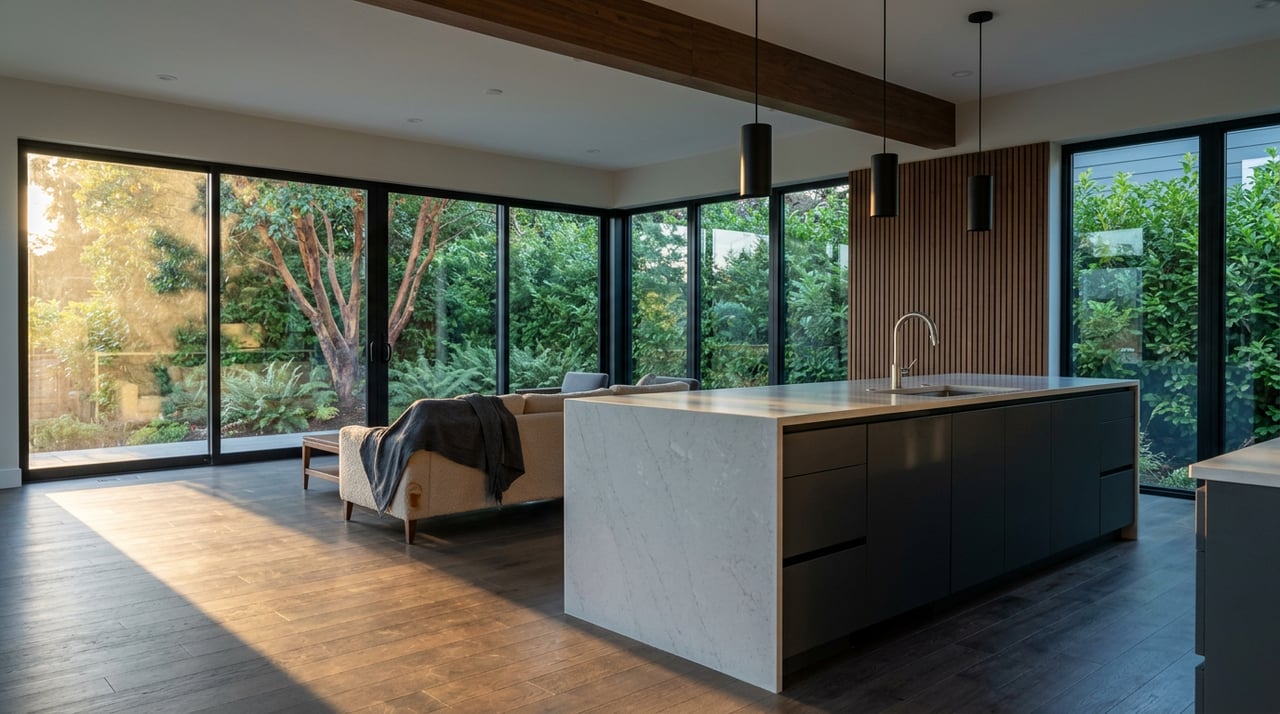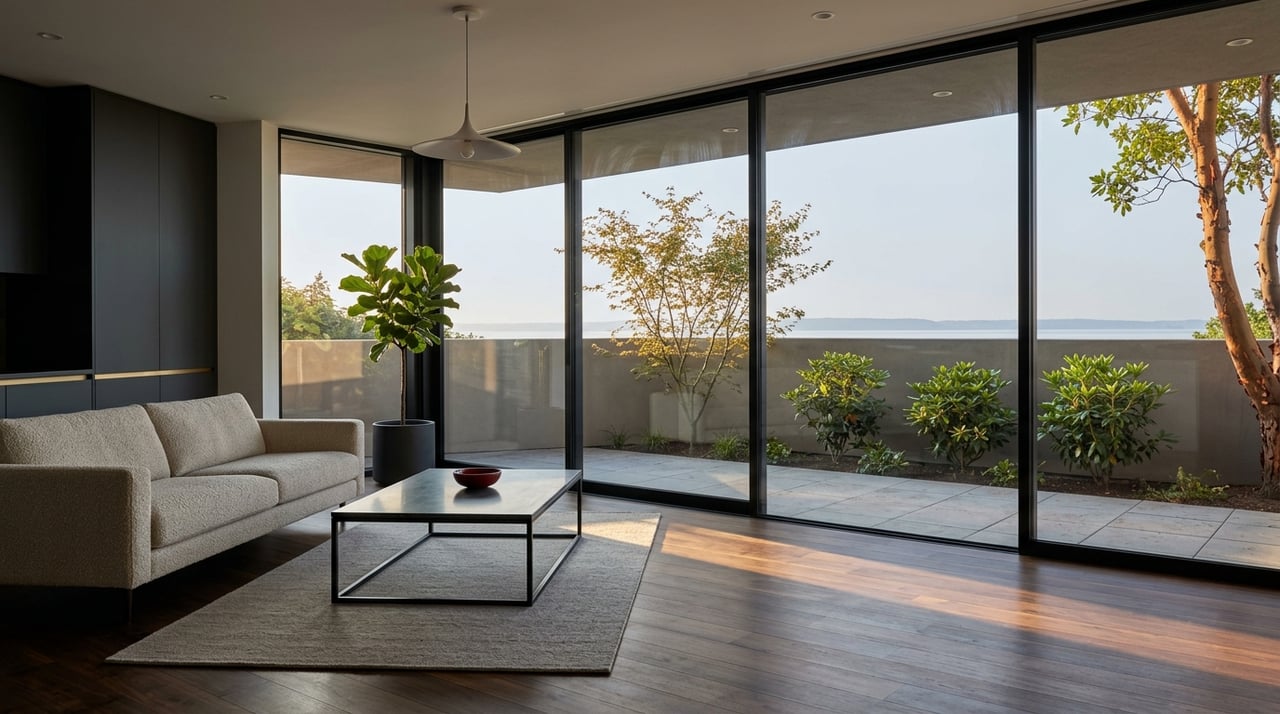
A great view can change how a home feels in seconds. In Magnolia, it can also change how a home is priced, marketed, and compared to nearby sales. If you are buying or selling here, understanding how views affect value can help you make sharper decisions and avoid oversimplified pricing assumptions. Let’s dive in.
Why views matter in Magnolia
Magnolia is unusually shaped for Seattle. It sits on a peninsula with bluff-top areas that overlook Puget Sound, Elliott Bay, and, in some spots, the city skyline and mountains. That topography creates a limited supply of homes with broad, open outlooks.
That limited supply matters because buyers do not see every Magnolia home as interchangeable. A home on or near the bluff with open water or skyline exposure offers something that many other properties in the neighborhood simply cannot. In a market like Magnolia, scarcity tends to support stronger pricing.
Seattle’s historic Magnolia designation materials describe the neighborhood as topographically distinct, with ridge tops around 450 feet above sea level and panoramic water and city views from Magnolia Bluff. Seattle Parks also identifies several bluff-side public spaces in Magnolia for their views of Puget Sound, Elliott Bay, and the Olympic Mountains. That tells you something important: views are not a minor feature here. They are part of the neighborhood’s identity.
What kinds of views add value
Not all views carry the same weight. In Magnolia, the most valuable outlooks are usually the ones that feel the most open, direct, and hard to replace.
Puget Sound and Elliott Bay views
Open water views are often the strongest premium category in Magnolia. They are closely tied to the bluff edge and are limited by the neighborhood’s geography. Because there are only so many homes with that exposure, buyers tend to treat them as a distinct product.
City skyline views
Some Magnolia homes capture downtown views when they sit high enough or have a clear line over lower rooftops and trees. Those skyline views can be very appealing, especially when they feel wide rather than narrow or peekaboo. In practice, a broad city view usually carries more value than a small glimpse.
Mountain views
Mountain views can also matter, especially from higher points near the bluff. Discovery Park and other elevated areas in Magnolia are known for outlooks toward the Olympic Mountains. While mountain views do not always price like prime water views, they can still add meaningful appeal.
Partial versus open views
A partial view is still a view, but buyers and appraisers usually separate it from a full, open outlook. Washington research found that view value tends to rise with better exposure and closer proximity to the water. In plain terms, a broad, unobstructed view typically commands more than one interrupted by rooftops, trees, or neighboring structures.
Why two similar homes can price differently
This is one of the most common Magnolia questions. You may see two homes with similar size, condition, and location sell at different prices, and the reason is often the view.
King County’s assessment materials say that location, topography, views, and waterfront are primary influences on land value. The county’s land modeling also considers topography, access, and views. So even at the county level, view is treated as a real valuation factor, not just a marketing detail.
That lines up with how appraisers approach the issue. Appraisal guidance used in the lending process asks appraisers to rate a view and describe whether it is beneficial, neutral, or adverse, along with whether it is full, partial, seasonal, or another type. That means a view is not lumped into the background. It is evaluated as its own characteristic.
How appraisers look at Magnolia views
Appraisers do not use a simple formula like “a view adds 10 percent.” Instead, they look for comparable sales that reflect the same market area and similar location traits.
In Magnolia, that matters because view differences can be dramatic within short distances. One home may sit on a better part of the bluff, have a wider angle, or look over fewer obstructions. Another may be just a few blocks away but offer only a narrow partial outlook.
The most important takeaway is this: view adjustments need market support. Appraisers are expected to explain their adjustments using nearby comparable sales. So if a seller claims a major premium for a view, the best support is not the claim itself. It is recent Magnolia-area sales with similar exposure, topography, and appeal.
What the market suggests about view demand
Seattle led all Washington cities in 2024 for view-home sales, according to NWMLS. The market recorded 2,537 view houses sold and 1,403 view condos sold. That is strong evidence that view properties are not a niche category here. They are a meaningful part of how buyers shop and how homes trade.
Statewide sales data from NWMLS also shows that buyers separate one type of view from another. Median prices differed by view category, with mountain-view houses at $815,811, city-view houses at $873,975, bay-view houses at $889,900, sound-view houses at $965,000, and lake-view houses at $1.2 million.
Those are statewide numbers, not Magnolia-specific pricing, but the pattern is useful. Buyers do not treat every view as equal. Water, city, and mountain outlooks fall into different value bands, and Magnolia has examples of several of those categories.
What Magnolia market conditions mean for sellers
As of April 2026, Magnolia showed 118 homes for sale, a median listing price of $1.225 million, a median time on market of 26 days, and a 99% sale-to-list ratio. While those figures do not isolate view homes, they do suggest a market where well-positioned listings can still command serious attention.
For sellers, that means a strong view can help your home stand out, but only if the pricing story is credible. The biggest premium usually shows up when the view is obvious, measurable, and backed by recent nearby sales. If the outlook is modest or partially obstructed, overreaching on price can weaken momentum.
A smart Magnolia pricing strategy usually starts with a few practical questions:
- Is the view full or partial?
- What does it actually overlook?
- How wide and open does it feel from the main living areas?
- Is the view visible year-round or only seasonally?
- Are there recent nearby sales with similar exposure?
In a neighborhood where buyers notice nuance, those details matter.
What Magnolia buyers should pay attention to
If you are buying in Magnolia, it helps to compare homes based on view quality, not just square footage or finish level. Two homes may look similar on paper but deliver very different day-to-day experiences and resale potential.
When you tour a home, pay attention to where the view is actually visible. A great outlook from the living room, kitchen, primary suite, or deck usually matters more than a glimpse from a secondary bedroom. Buyers tend to place the most value on the spaces they use the most.
You should also consider how protected the view feels. A current outlook may be attractive, but its value in the market often depends on how open and substantial it is today compared with recent nearby sales. In Magnolia, elevation, distance to the bluff, and surrounding rooflines can all influence that comparison.
Is there a standard view premium?
No. That is probably the most important point in this entire discussion.
Washington research on home sales found that when all views were grouped together, the average premium was 25.9%. But when researchers separated view types, the range widened dramatically, from 8% for a poor partial ocean view to 59% for an unobstructed ocean view and 127% for lake frontage.
That same body of research also found that water-view value declined as distance from the water increased, and that the real-dollar premium for water views moved with the housing cycle. In other words, the value of a view depends on quality, openness, distance, and market timing. Magnolia is no exception.
The Magnolia bottom line
In Magnolia, views matter because the neighborhood’s geography makes the best ones limited and highly visible in the market. Bluff elevation, open water outlooks, skyline exposure, and strong comparable sales often create the clearest pricing advantage.
If you are selling, the goal is to present and price the view with evidence, not just adjectives. If you are buying, the goal is to compare view quality carefully so you understand what you are really paying for. In both cases, a clear local strategy can make a meaningful difference.
If you want help understanding how a Magnolia view factors into pricing, positioning, or your next move, The Greely Group offers clear, data-backed guidance built for Seattle buyers and sellers.
FAQs
How much is a view worth in Magnolia?
- There is no fixed number. View premiums vary based on whether the view is full or partial, what it overlooks, how open it feels, and which nearby comparable sales support the value.
Why do two Magnolia homes with similar size sell for different prices?
- View, topography, and location can affect value even when homes have similar square footage. King County and appraisal standards both treat views as a separate pricing factor.
Do partial views matter for Magnolia home values?
- Yes. Partial views can add value, but they usually trail open, unobstructed views in buyer appeal and price support.
Which Magnolia views tend to be most valuable?
- Open Puget Sound and Elliott Bay views are often the strongest premium category, with skyline and mountain views also adding value depending on exposure and openness.
How should Magnolia sellers talk about a home’s view?
- The most effective approach is to describe the view by quality and visibility, such as full or partial, what it overlooks, and where it is experienced from inside the home, then support that with recent nearby sales.