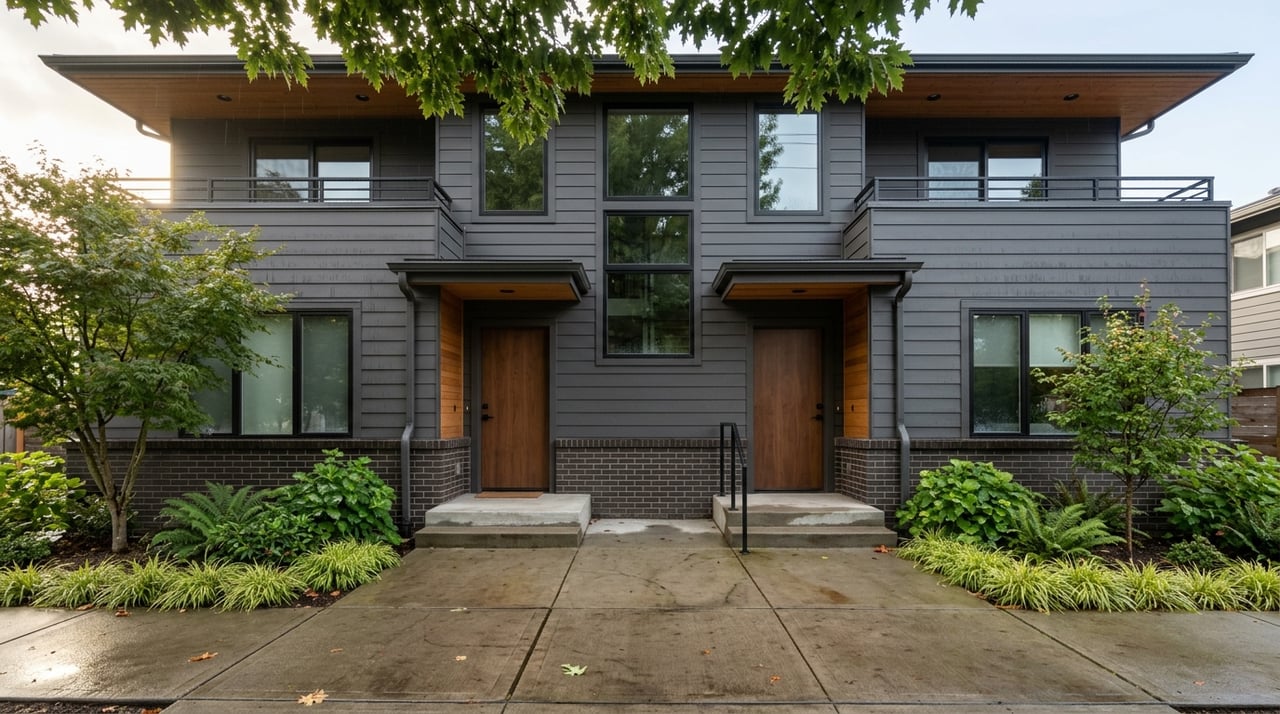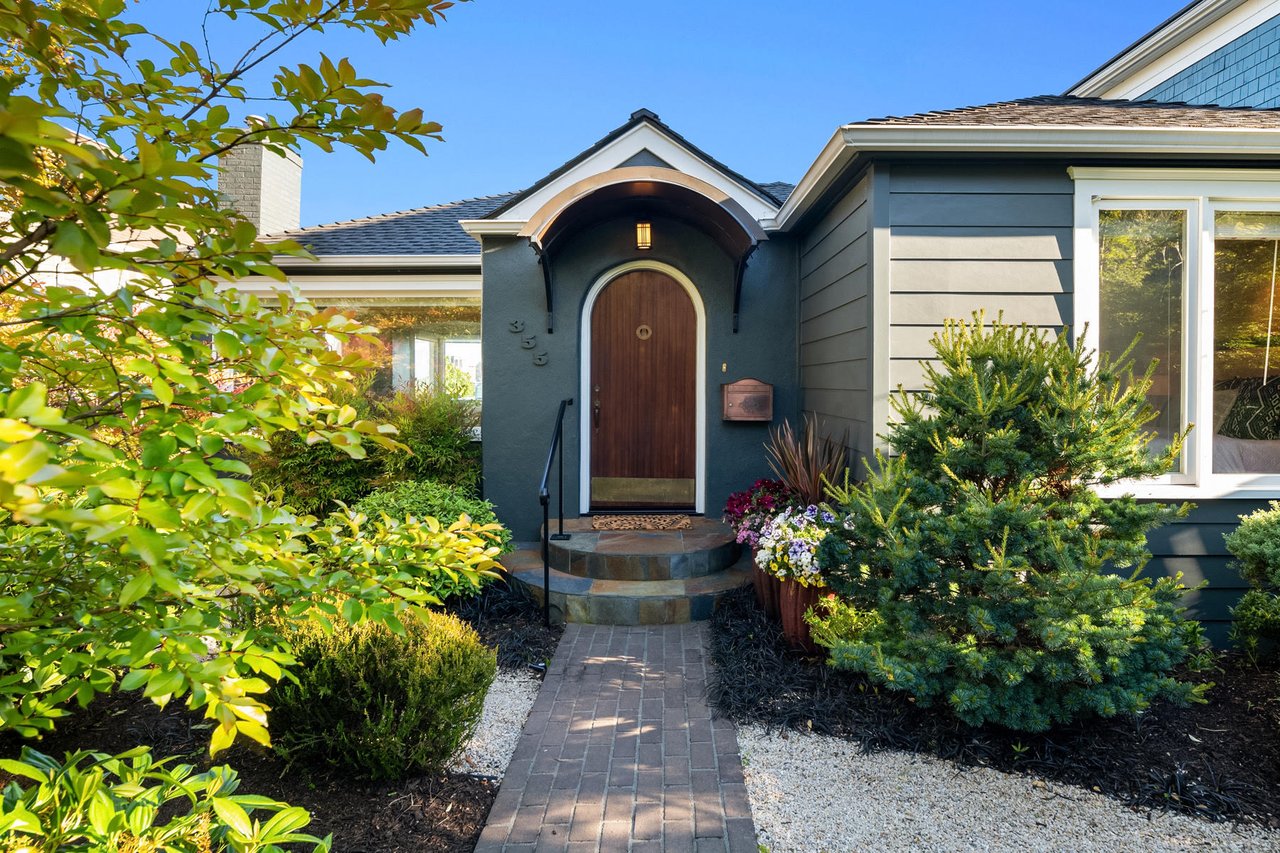
One of the easiest mistakes buyers make in Seattle is thinking they understand Queen Anne because they’ve driven through it.
They don’t.
Not yet.
Because Queen Anne is not one neighborhood.
It’s a collection of different living experiences stacked on the same hill, and if you treat the whole thing like one interchangeable zip code, you’re going to miss what actually matters.
That’s the real issue.
Upper Queen Anne is the Classic Version
If someone says, “I want Queen Anne,” this is usually what they mean.
Upper Queen Anne is the polished, iconic version of the neighborhood — classic homes, strong neighborhood identity, a useful commercial core, and that rare Seattle combination of charm and convenience.
This is the part of the hill that feels the most complete.
It’s where people go when they want:
- classic architecture
- walkability without full urban chaos
- family-friendliness without suburban blandness
- long-term neighborhood appeal
If you want the most recognizable, most emotionally satisfying version of Queen Anne, this is usually it.
Lower Queen Anne is a Different Product
Lower Queen Anne — or Uptown, if we’re pretending to be cooperative with branding — is a different conversation entirely.
This is more urban. More condo-heavy. More event-driven. More convenient for people who want density, walkability, restaurants, and easier access to downtown or South Lake Union.
That’s not worse.
It’s just not the same product.
If Upper Queen Anne is about neighborhood texture, Lower Queen Anne is more about low-friction city living.
That distinction matters, especially if you’re trying to decide whether you want a home that feels residential or a life that feels more plugged into the city.
West Queen Anne is the Quiet Luxury Version
West Queen Anne gets less attention than it deserves.
That may be part of the appeal.
This is where the hill starts to feel quieter, more private, more views-driven, and a little less performative. It shares some emotional DNA with Magnolia — outlook, separation, a lower-drama feel — but keeps you more central.
If your ideal life includes:
- privacy
- outlook
- lower turnover
- less day-to-day noise
West Queen Anne deserves a serious look.
The downside is obvious: fewer immediate walkable conveniences, steeper streets in places, and less inventory.
But good homes there tend to be good in ways that matter for a long time.
North Queen Anne is Where the Value Starts Showing Up
North Queen Anne is more mixed.
That can sound like a criticism. It isn’t necessarily.
It just means the area is less polished, less uniform, and more variable block to block. You’ll see older homes, townhomes, more transition, and in some cases better value than buyers find on the upper hill.
If you want a cleaner entry point into Queen Anne without paying Upper Queen Anne pricing, this is often where the conversation gets more interesting.
But it is not a neighborhood to buy by label alone.
You need to know the actual pocket.
The Better Question
The wrong question is: Which part of Queen Anne is best?
The better question is: Best for what?
- Want classic charm and long-term neighborhood appeal? Upper Queen Anne.
- Want walkability and a more urban lifestyle? Lower Queen Anne.
- Want privacy and views? West Queen Anne.
- Want flexibility and a better value entry point? North Queen Anne.
That’s the answer that actually helps.
My Take
Queen Anne is one of the best examples in Seattle of why neighborhood-level knowledge is not enough.
You need pocket-level judgment.
The hill changes by slope, by block, by view orientation, by housing type, and by the kind of life you want to live once you’re there.
Once you understand that, the right answer usually gets clearer fast.
Related Reading
Need to sell your Queen Anne home?
Queen Anne and Magnolia are two neighborhoods served by me and my team at The Greely Group. If you have any questions about how we can help with your Queen Anne move, reach out today!