By The Greely Group
Magnolia has a rich stock of historic residential architecture — craftsman bungalows dating to the early 1900s, Tudor Revivals from the 1920s and 1930s, and mid-century homes that reflect Seattle's postwar growth. Owning one of these properties is rewarding, but it comes with a maintenance approach that's meaningfully different from maintaining a newer home. The craftsmanship is often exceptional. The systems and materials require specific knowledge. And the choices you make in upkeep have a direct effect on the home's long-term value and character.
Key Takeaways
- Historic homes in Magnolia require maintenance approaches tailored to their specific era and construction methods
- Original character-defining features — woodwork, windows, built-ins — add value and deserve preservation where possible
- Pacific Northwest moisture demands proactive attention to the building envelope, drainage, and ventilation
- Working with contractors experienced in older Seattle homes makes a meaningful difference in outcomes
Understand Your Home's Construction Era and Materials
The first step in maintaining any historic Magnolia home is understanding how it was built and with what materials. Craftsman homes from the 1900s through the 1920s were constructed with old-growth fir framing, plaster walls, and single-pane wood windows. Tudor Revivals from the 1920s and 1930s feature stucco or brick exteriors, steep rooflines, leaded glass windows, and heavy interior woodwork. Mid-century homes from the 1940s through the 1960s bring different framing standards, asbestos-era insulation materials, and galvanized or early copper plumbing.
Each era has its own maintenance profile. What works on a 1960s ranch is not always appropriate for a 1920s craftsman. Starting from a clear understanding of your home's construction saves money, avoids damage to irreplaceable materials, and keeps repairs in character with the original design.
Each era has its own maintenance profile. What works on a 1960s ranch is not always appropriate for a 1920s craftsman. Starting from a clear understanding of your home's construction saves money, avoids damage to irreplaceable materials, and keeps repairs in character with the original design.
What to Know About Your Home Based on Its Era
- 1900s–1920s craftsman homes: old-growth fir framing, plaster walls, original wood windows, likely knob-and-tube or early electrical wiring
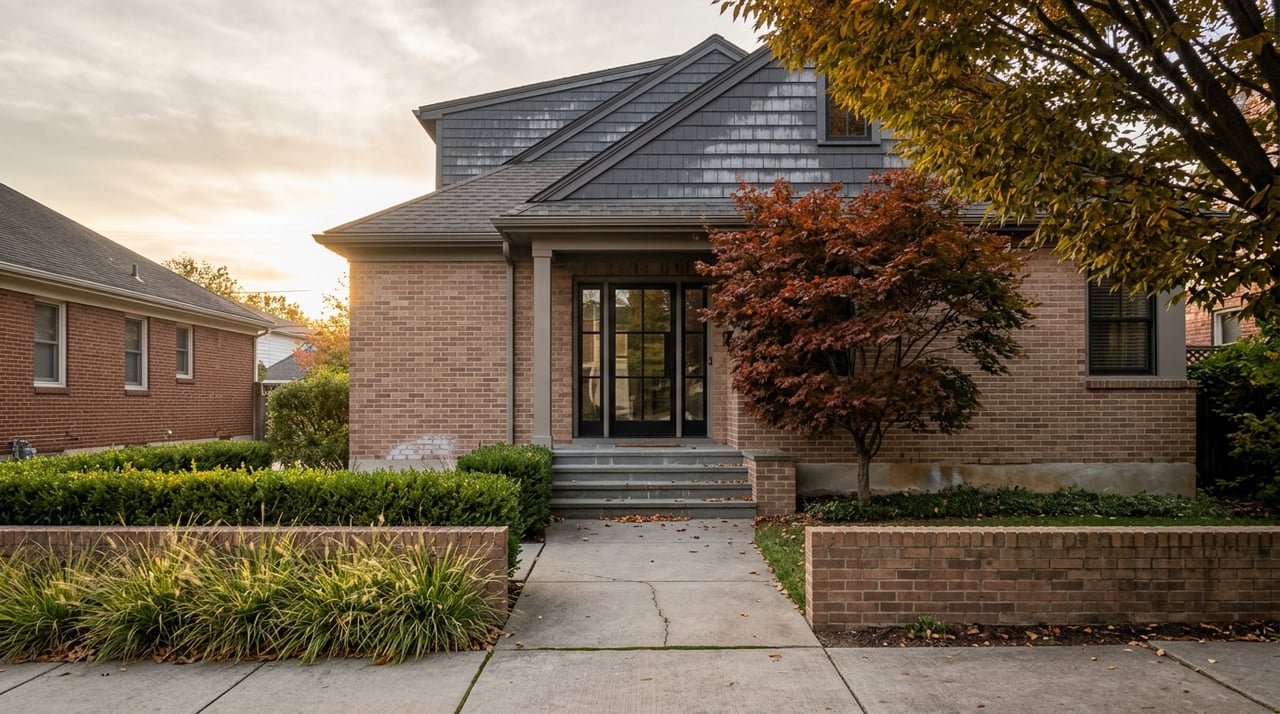
- 1920s–1930s Tudor Revivals: brick or stucco exteriors requiring specific mortar and waterproofing care, leaded glass windows, complex steep-pitch rooflines
- 1940s–1960s mid-century homes: early insulation materials that may include asbestos, galvanized plumbing approaching end of service life, original aluminum or steel windows
- Any pre-1980 home: possible lead paint on painted surfaces — flag this before sanding, disturbing, or repainting
Protect the Building Envelope in Seattle's Climate
Seattle's climate is hard on historic homes. Persistent winter rain, occasional freeze-thaw cycles, and salt air proximity in Magnolia create conditions where gaps in the building envelope lead quickly to moisture damage. For older homes where original caulking, flashing, and siding may be decades old, proactive envelope maintenance is the highest-return task you can perform.
Inspect the exterior annually — particularly around windows, roof penetrations, chimney flashings, and where dissimilar materials meet. Brick and stucco on Tudor homes needs mortar that's intact and matched to the original — using modern Portland cement on historic masonry can trap moisture and cause damage. Gutters and downspouts need to be clear and directing water away from the foundation.
Inspect the exterior annually — particularly around windows, roof penetrations, chimney flashings, and where dissimilar materials meet. Brick and stucco on Tudor homes needs mortar that's intact and matched to the original — using modern Portland cement on historic masonry can trap moisture and cause damage. Gutters and downspouts need to be clear and directing water away from the foundation.
Building Envelope Priorities for Historic Magnolia Homes
- Inspect and recaulk window and door perimeters annually, particularly on north- and west-facing exposures
- Keep wood siding painted — bare or cracking paint allows moisture in fast
- Check roof flashings at chimneys, dormers, and valleys after major storms
- Ensure gutters are clean and downspouts discharge well away from the foundation
- For brick or stucco exteriors, use lime-based mortar for repointing — not modern Portland cement
Preserve Original Character Features
The built-ins, woodwork, hardwood floors, leaded glass windows, and period hardware in historic Magnolia homes are financially meaningful as well as architecturally significant. Buyers in this market respond strongly to homes where original features have been preserved rather than replaced with modern substitutes. A craftsman with its original fir floors and built-in cabinetry intact commands a different conversation than one where those elements have been removed.
When original materials need repair, restore rather than replace wherever possible. Fir floors can be refinished multiple times. Original wood windows with sound frames can often be upgraded for energy performance through interior storm panels without touching exterior character. When replacement is unavoidable, period-appropriate materials and profiles — available through salvage dealers like Earthwise in Seattle and specialty suppliers like Rejuvenation — keep the home in character.
When original materials need repair, restore rather than replace wherever possible. Fir floors can be refinished multiple times. Original wood windows with sound frames can often be upgraded for energy performance through interior storm panels without touching exterior character. When replacement is unavoidable, period-appropriate materials and profiles — available through salvage dealers like Earthwise in Seattle and specialty suppliers like Rejuvenation — keep the home in character.
Original Features Worth Protecting
- Hardwood fir or oak floors — refinish rather than replace; add rugs to manage daily wear in high-traffic areas
- Original wood windows in sound condition — use interior storm panels for energy improvement before considering replacement
- Built-in cabinetry, bookshelves, and window seats — repair with matching wood species and profiles
- Period hardware on doors and cabinets — restore or source matching replacements through salvage dealers
- Plaster walls — patch with matching materials rather than converting to drywall, which changes the wall's acoustic and visual character
Update Systems Without Compromising Character
One of the most common maintenance challenges in historic Magnolia homes is updating aging systems while keeping the home's character intact. Electrical panels in pre-1950 homes are often undersized for modern use, and knob-and-tube wiring — common in craftsman-era homes — presents insurance and safety considerations worth addressing. Galvanized plumbing in 1940s and 1950s homes may already be showing reduced pressure or discoloration.
These are upgrades worth prioritizing. Updated electrical and plumbing can be completed without disturbing original plaster or trim when the work is done carefully by the right contractor — someone with specific experience in older Seattle homes who knows how to open and close walls without destroying what makes the home worth maintaining.
These are upgrades worth prioritizing. Updated electrical and plumbing can be completed without disturbing original plaster or trim when the work is done carefully by the right contractor — someone with specific experience in older Seattle homes who knows how to open and close walls without destroying what makes the home worth maintaining.
Systems to Prioritize in Older Magnolia Homes
- Electrical panel capacity and wiring — knob-and-tube should be evaluated and addressed by a licensed electrician
- Galvanized plumbing replacement — phase it by area if needed, starting with supply lines
- Insulation — add using dense-pack cellulose blown through small holes to avoid disturbing interior finishes
- Crawlspace moisture control — vapor barriers and proper ventilation are critical in Seattle's wet climate
Frequently Asked Questions
Do I need a permit for maintenance work on a historic home in Magnolia?
Routine maintenance — painting, caulking, gutter cleaning, minor repairs — generally does not require a permit. Structural changes, electrical upgrades, plumbing modifications, or additions do require permits through Seattle's Department of Construction and Inspections. If your home is a designated landmark, additional review may apply to exterior changes.
How do I find contractors experienced with historic homes in Seattle?
Historic Seattle maintains a preservation professionals directory that includes architects, contractors, and specialists with experience in historic structures. Beyond that, referrals from other historic homeowners in Magnolia are often the most reliable path — ask specifically about experience with your home's era and construction type.
Does maintaining original features affect resale value in Magnolia?
Yes. Buyers seeking older homes in this neighborhood are looking for character they can't find in new construction. A home where original woodwork, floors, and windows have been preserved and systems have been thoughtfully updated is a significantly more compelling listing than one where historic features have been replaced with generic modern finishes.
Work with The Greely Group
Whether you're buying a historic home in Magnolia or navigating the maintenance and eventual sale of one you already own, we bring the local knowledge and network to help you make smart decisions. Reach out to us, The Greely Group, to talk through where you are and what comes next.