By The Greely Group
Trends come and go, but the homes people love most — and that hold their value best — tend to be the ones built around design principles that don't expire. In Magnolia, where craftsman bungalows, Tudor Revivals, mid-century builds, and newer Northwest contemporary homes all share the same peninsula, timeless design isn't about picking a single style. It's about making choices that feel considered, cohesive, and grounded in the character of the home. Here's what that looks like in practice.
Key Takeaways
- Timeless design in Magnolia means working with your home's existing architecture, not against it
- Natural materials, warm neutrals, and quality craftsmanship outlast any trend cycle
- Large windows and indoor-outdoor connection are core to Pacific Northwest design sensibility
- The design choices that age best also tend to support strong resale value
Lean Into Your Home's Architecture
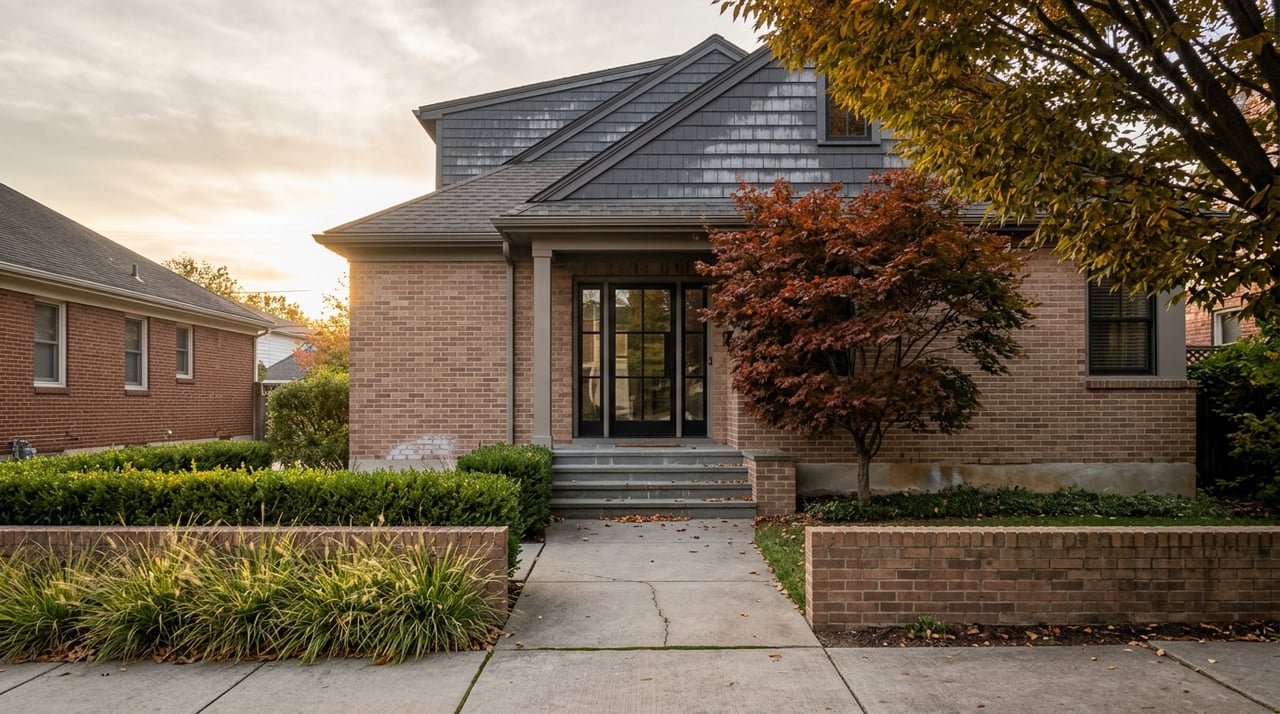
The first principle of timeless design is the simplest: start with what's already there. Magnolia has a wide range of residential architecture — craftsman-era bungalows with exposed rafters and tapered columns, Tudor Revivals with steep roofs and arched entries, mid-century builds with clean lines and flat planes, and newer Northwest contemporary homes with floor-to-ceiling glass. Each style has its own vocabulary, and the best design decisions reinforce rather than contradict it.
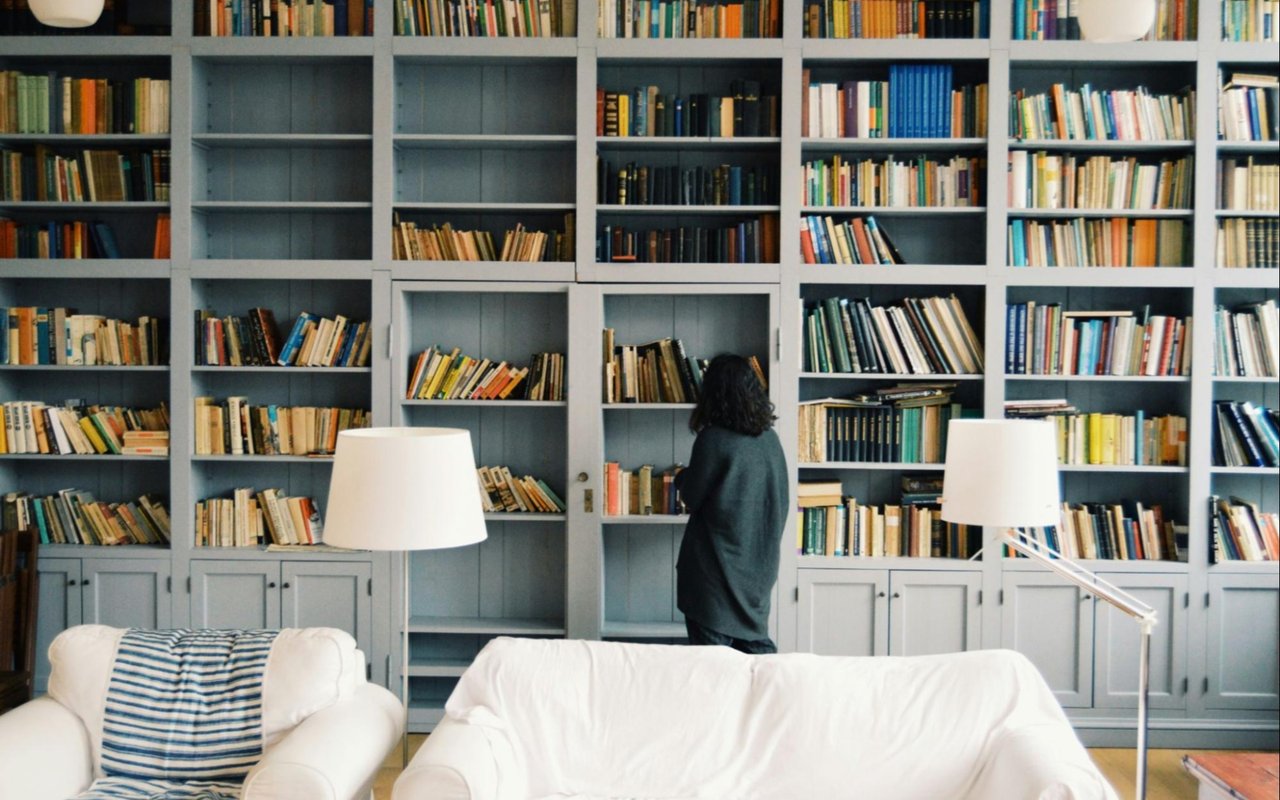
In a craftsman home, this means honoring the woodwork — the built-ins, the window surrounds, the porch columns — and choosing finishes that complement rather than compete with them. Design that works with the bones of a home reads as intentional for decades. Design that fights the architecture tends to look dated within a few years.
In a craftsman home, this means honoring the woodwork — the built-ins, the window surrounds, the porch columns — and choosing finishes that complement rather than compete with them. Design that works with the bones of a home reads as intentional for decades. Design that fights the architecture tends to look dated within a few years.
What It Looks Like to Honor Your Home's Existing Style
- In craftsman homes: restore or replicate original built-ins, use warm wood tones, and choose period-appropriate hardware
- In Tudor Revivals: lean into the detail work — leaded glass, stone accents, and rich interior color
- In mid-century homes: preserve open plans, use natural wood and clean-lined furniture, and maximize window orientation
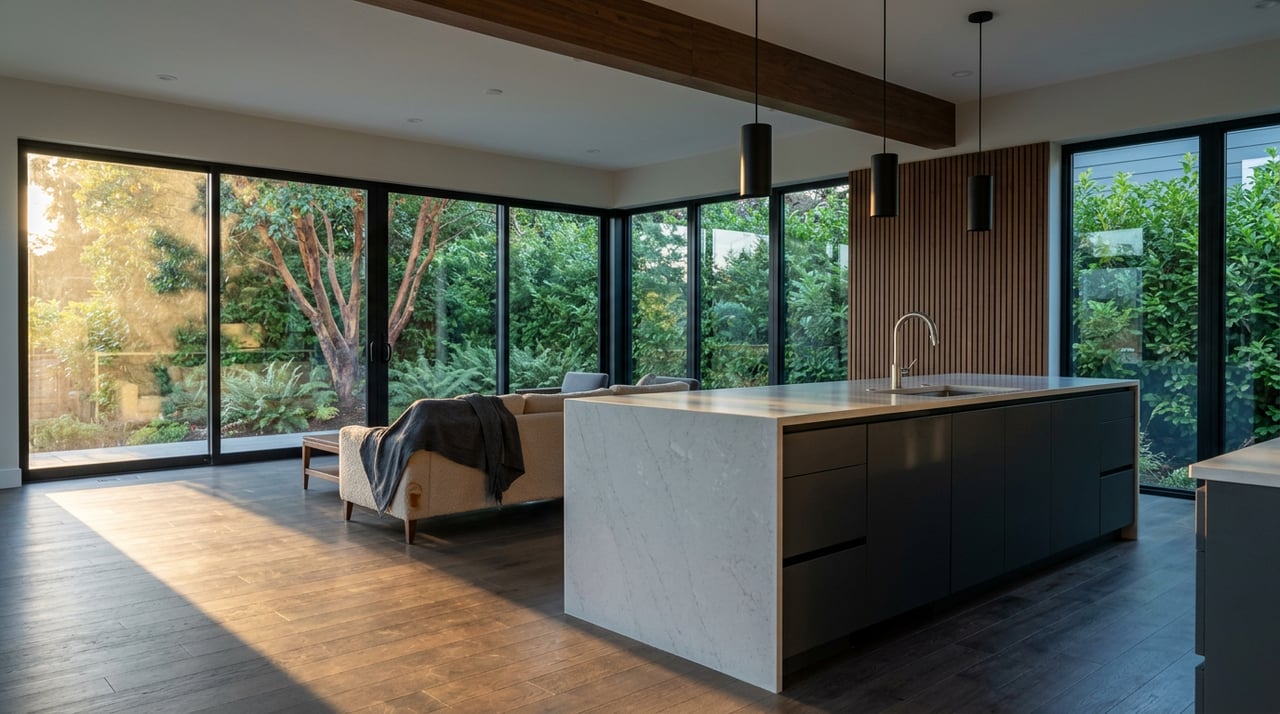
- In Northwest contemporary homes: keep finishes minimal, let materials do the work, and prioritize the view connection
Choose Natural Materials Over Trend-Driven Finishes
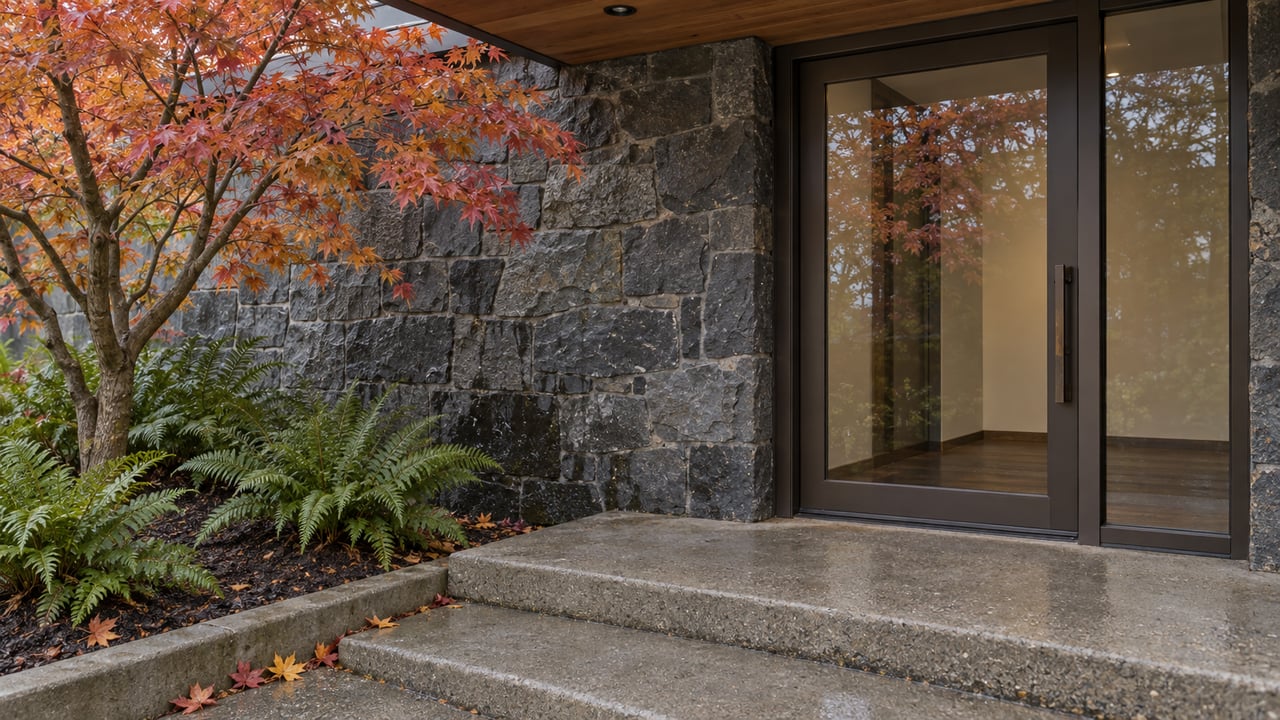
Nothing ages a space faster than a finish that was fashionable for eighteen months. Nothing ages a space better than a well-chosen natural material. In Pacific Northwest design, this means wood, stone, wool, linen, and ceramic — materials that have texture, warmth, and a relationship to the landscape visible from so many Magnolia windows.
Hardwood floors in warm or medium tones outlast both pale blonde and dark espresso stains, which have both cycled in and out of fashion within the last decade. Stone countertops in a honed or leathered finish hold up better visually than high-gloss surfaces. Solid wood cabinetry in a simple profile will look right in twenty years in a way that highly ornate or ultra-minimalist cabinetry often won't.
Hardwood floors in warm or medium tones outlast both pale blonde and dark espresso stains, which have both cycled in and out of fashion within the last decade. Stone countertops in a honed or leathered finish hold up better visually than high-gloss surfaces. Solid wood cabinetry in a simple profile will look right in twenty years in a way that highly ornate or ultra-minimalist cabinetry often won't.
Natural Materials That Perform Best Over Time
- Hardwood flooring in medium tones — white oak, walnut, and fir are all strong choices for Pacific Northwest homes
- Stone countertops in honed finishes — marble, quartzite, and soapstone age gracefully with use
- Wool and linen textiles that develop character rather than looking worn
- Solid wood cabinetry in shaker or simple flat-panel profiles
- Ceramic and handmade tile for backsplashes and bathrooms where texture adds depth
Build Around a Neutral Palette with Deliberate Warmth
The Pacific Northwest palette isn't gray-and-white minimalism. It's drawn from the landscape — mossy greens, earthy browns, fog-touched creams, and deep forest tones. Homes that lean into this palette feel connected to their setting in a way that purely trend-driven color schemes don't. And because these tones are rooted in nature, they tend to age exceptionally well.
In Magnolia homes, a warm neutral base — creamy whites, soft greiges, warm taupes — gives any room longevity and flexibility. Layer richer accent tones through upholstery, artwork, and soft goods rather than through permanent finishes. Permanent finishes should be conservative. Accents can be bolder because they're easier to update.
In Magnolia homes, a warm neutral base — creamy whites, soft greiges, warm taupes — gives any room longevity and flexibility. Layer richer accent tones through upholstery, artwork, and soft goods rather than through permanent finishes. Permanent finishes should be conservative. Accents can be bolder because they're easier to update.
Color Choices That Hold Up Well in Magnolia Homes
- Warm whites and creamy off-whites as primary wall colors — they photograph well and read calm year-round
- Earthy greens and muted sage for accent walls or cabinetry, where they ground a space without dominating
- Deep blues and slate tones that reference Puget Sound — work particularly well in bathrooms and kitchens
- Black or aged brass hardware as a grounding detail that transitions across styles
Prioritize Light and the Indoor-Outdoor Connection
In a neighborhood with views of Puget Sound, the Olympic Mountains, and the Seattle skyline, one of the most timeless design decisions a Magnolia homeowner can make is to stop blocking the windows. Natural light is the element that makes every other design choice look better. Keep window treatments simple and sheer so light moves through during the day. Frame views rather than cover them.
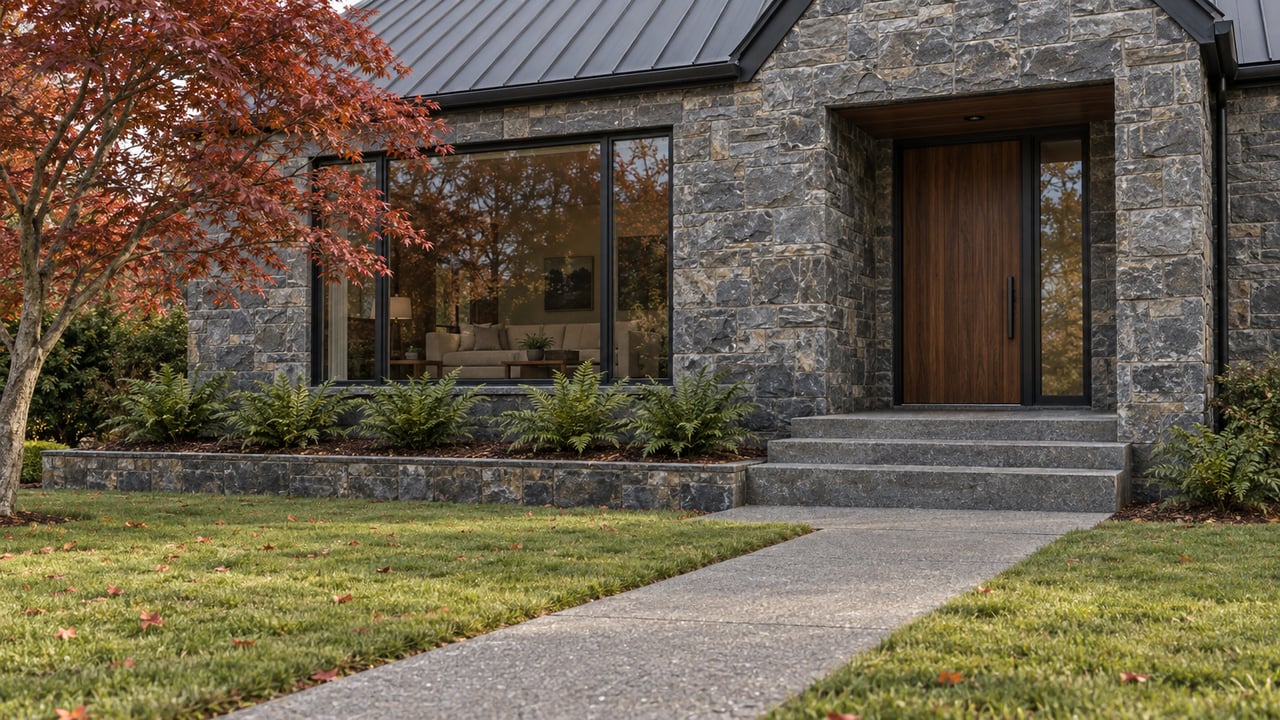
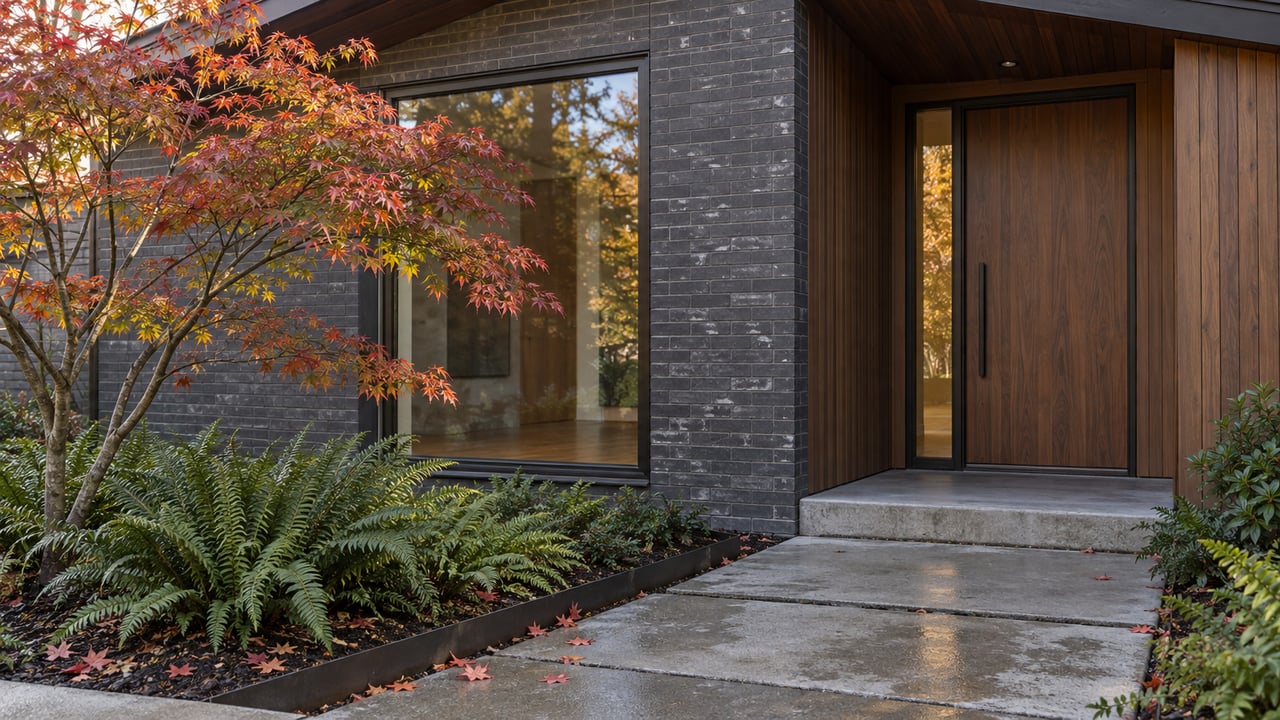
On the exterior side, native plantings and clean hardscape that read as an extension of the interior reinforce the indoor-outdoor connection that Pacific Northwest design is built around. This is especially true in Magnolia, where the landscape itself is part of the home's character.
On the exterior side, native plantings and clean hardscape that read as an extension of the interior reinforce the indoor-outdoor connection that Pacific Northwest design is built around. This is especially true in Magnolia, where the landscape itself is part of the home's character.
Ways to Strengthen the Indoor-Outdoor Connection
- Keep primary window treatments light — blackout capability can live behind sheer panels
- Choose exterior materials that complement the interior palette — cedar, stone, and weathered steel all transition well
- Use native or Pacific Northwest-adapted plantings that look intentional through the rainy months
- Create a covered outdoor space that extends usable square footage year-round
- Position seating and key rooms toward views rather than away from them
Frequently Asked Questions
How do I update my Magnolia home without making it look dated in five years?
Focus changes on materials and quality rather than trend-specific details. A well-made kitchen with simple cabinetry, stone counters, and quality hardware will look right for decades. When in doubt, choose the quieter option and invest more in craftsmanship — it holds up far better than novelty.
Does timeless design affect resale value in Magnolia?
It does. Buyers here tend to be sophisticated and respond well to homes that feel considered and cohesive. A home updated in ways that honor its architecture and use quality materials consistently attracts stronger interest and holds value better over market cycles than one renovated without a clear design point of view.
How do I incorporate Pacific Northwest style without it feeling like a theme?
Use it as a filter, not a formula. Pacific Northwest design is about natural materials, warm tones, quality craft, and connection to the outdoors. Applied with restraint and in dialogue with your home's specific architecture, it reads as authentic rather than decorative.
Work with The Greely Group
If you're thinking about updating your Magnolia home — whether to enjoy it more or to prepare it for sale — we're happy to talk through what buyers in this market respond to and where investments tend to pay off. Reach out to us, The Greely Group, to start the conversation.